BEYOND THE CANVAS: UNCOVERING BERLIN’S MEMORY AND WALLS
If the first chapter of my Berlin journey was written in the delicate strokes of impressionism and the timeless quiet of museum halls, the second had to be written in the raw, unyielding ink of history. A city like Berlin cannot be understood through art alone; its very streets are living archives, where every corner holds a whisper of a complex, dramatic past.
Leaving behind the serene elegance of palaces and galleries, I set out to walk through the deeper layers of the capital—where memory is carved into concrete, shadows meet light, and the scars of history give way to an enduring spirit of freedom.
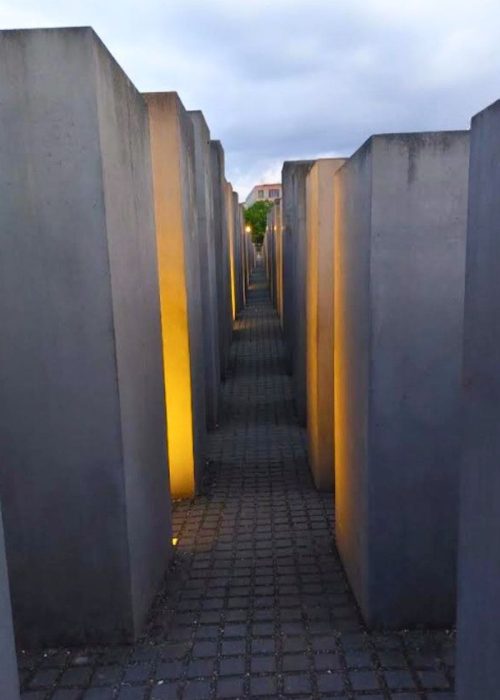
Labyrinth of Silence: The Memorial to the Murdered Jews
Stepping into the Memorial to the Murdered Jews of Europe felt like entering a concrete labyrinth of silence. Walking between the cold, towering pillars—with slivers of warm light cutting through the dusk—each block seemed to weigh heavily with unspoken stories, forcing the mind into a profound, personal stillness.
In that maze, time seemed to blur, isolating every visitor in their own thoughts while sharing a collective, quiet grief.
Topography of Terror: Architecture of Oppression
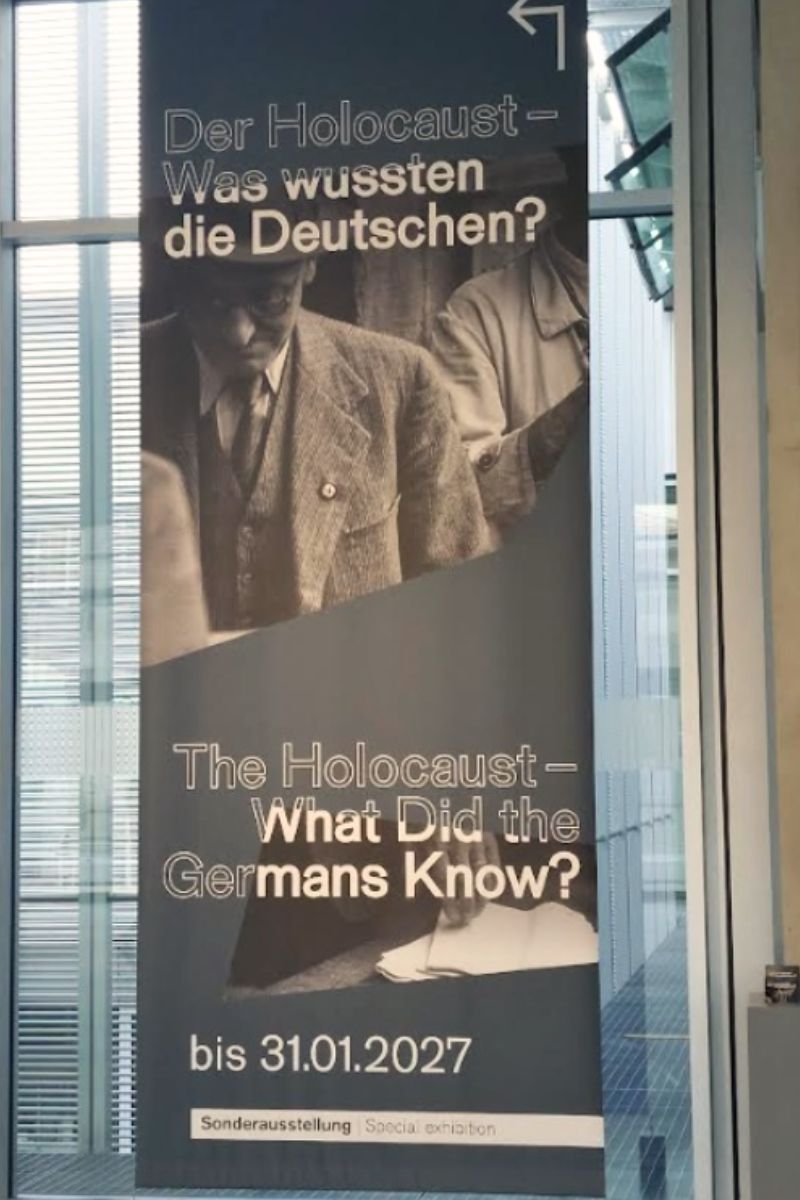
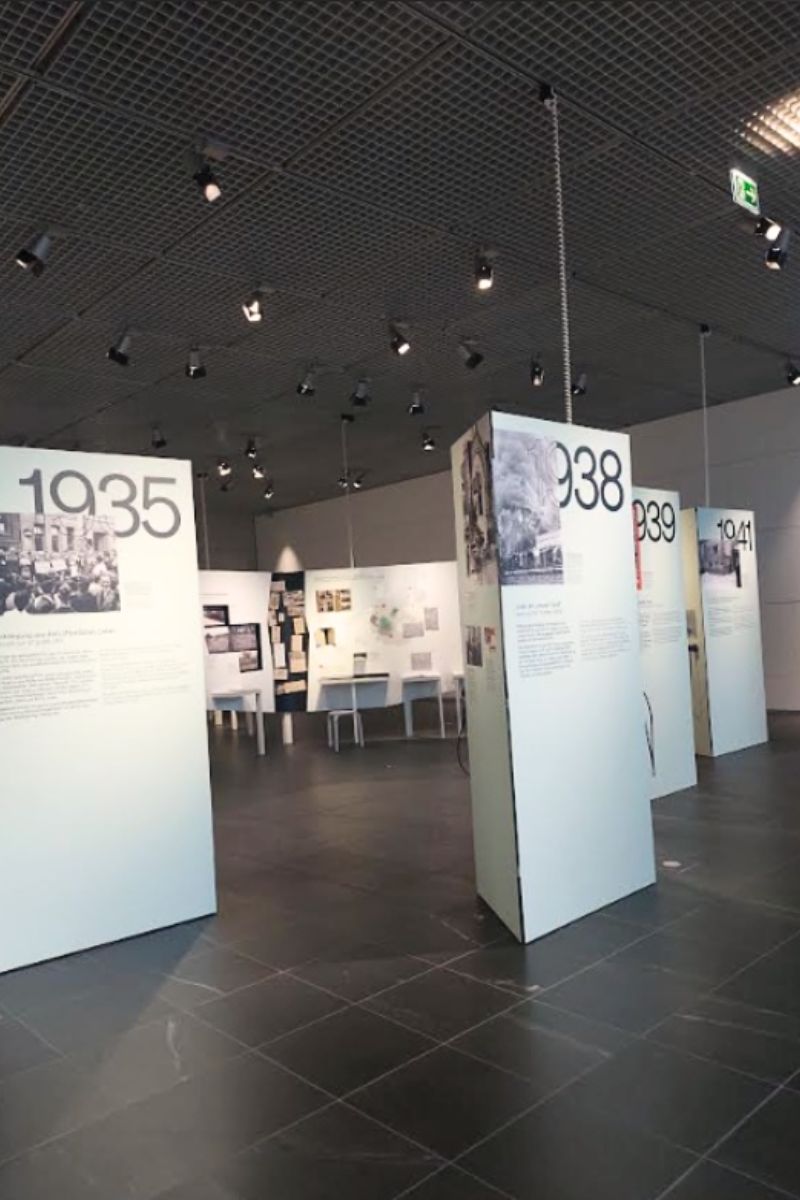
Moving from abstract memory to historical documentation, the Topography of Terror offered a sobering, unfiltered look into the architecture of oppression. Set right on the former site of the Gestapo and SS headquarters, the exhibition strips away the veil of time, confronting visitors with hard facts, photographs, and the chilling reality of how a society slowly unraveled.
Every document on those walls stands as an undeniable witness, reminding us how crucial it is to remember so history never repeats its darkest chapters.
Checkpoint Charlie: Where East Met West
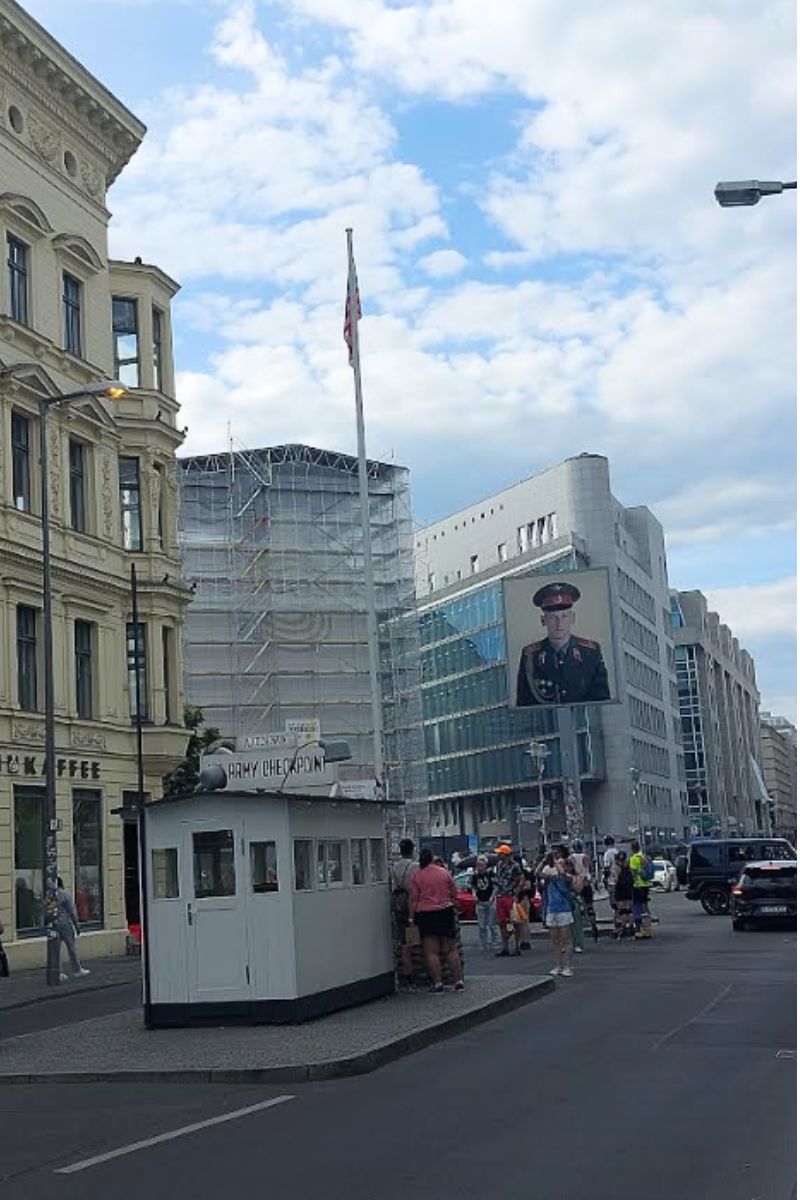
Standing before the iconic white guardhouse of Checkpoint Charlie, the tension of the Cold War seemed to linger in the air. Once the most famous crossing point between East and West Berlin, this asphalt strip witnessed high-stakes standoffs, desperate escape attempts, and the rigid division of a fractured city. Today, flanked by historic facades and the prominent portrait banner overlooking the street, the site serves as a poignant reminder of a time when the world held its breath at a heavily guarded border.
Behind the Iron Curtain: Inside the DDR Museum
Moving forward along the timeline of Berlin’s complex history, our journey transitions from the stark political divide of Checkpoint Charlie into the intimate, often surreal micro-universe of the DDR Museum. Situated right on the banks of the Spree river, this museum breaks away from conventional, sterile exhibition formats. Instead, it offers an intensely interactive, tactile exploration of what it truly meant to live, work, and survive behind the Iron Curtain in the former German Democratic Republic (GDR).
1. The Duality of Daily Life and Surveillance
Entering the exhibition spaces feels like stepping directly into a mid-century time capsule. From reconstructed, cozy living rooms and vintage classrooms adorned with period specific wallpaper and toys, the museum captures the warm, ordinary aspects of family life. However, just beneath the surface of domestic normalcy lay an omnipresent apparatus of control. Interactive displays—such as pull-out drawers featuring strict border-control protocols, passport inspection cases, and the notorious „Der strenge Blick” (the stern look)—remind visitors of the suffocating vigilance of state security.
2. Elite Privilege versus Public Scarcity
The stark contrasts of the regime are brilliantly illustrated through transportation and technology. While ordinary citizens navigated resource-limited roads or relied on classic scooters and public transit, the political elite moved behind closed doors in high-end state vehicles, such as specialized government-used luxury cars equipped with advanced communication or surveillance gear in their trunks.
3. The Shadow of the Stasi
No deep dive into East German history is complete without confronting its harsher realities. Reconstructions of prison cells and interrogation environments starkly contrast with the nostalgic consumer goods and retro public symbols (like the iconic Ampelmännchen traffic lights or street signs bearing communist icons). This powerful juxtaposition avoids glorifying the past while vividly capturing the human resilience, strict bureaucracy, and unique cultural identity that defined life behind the Wall until its eventual fall.