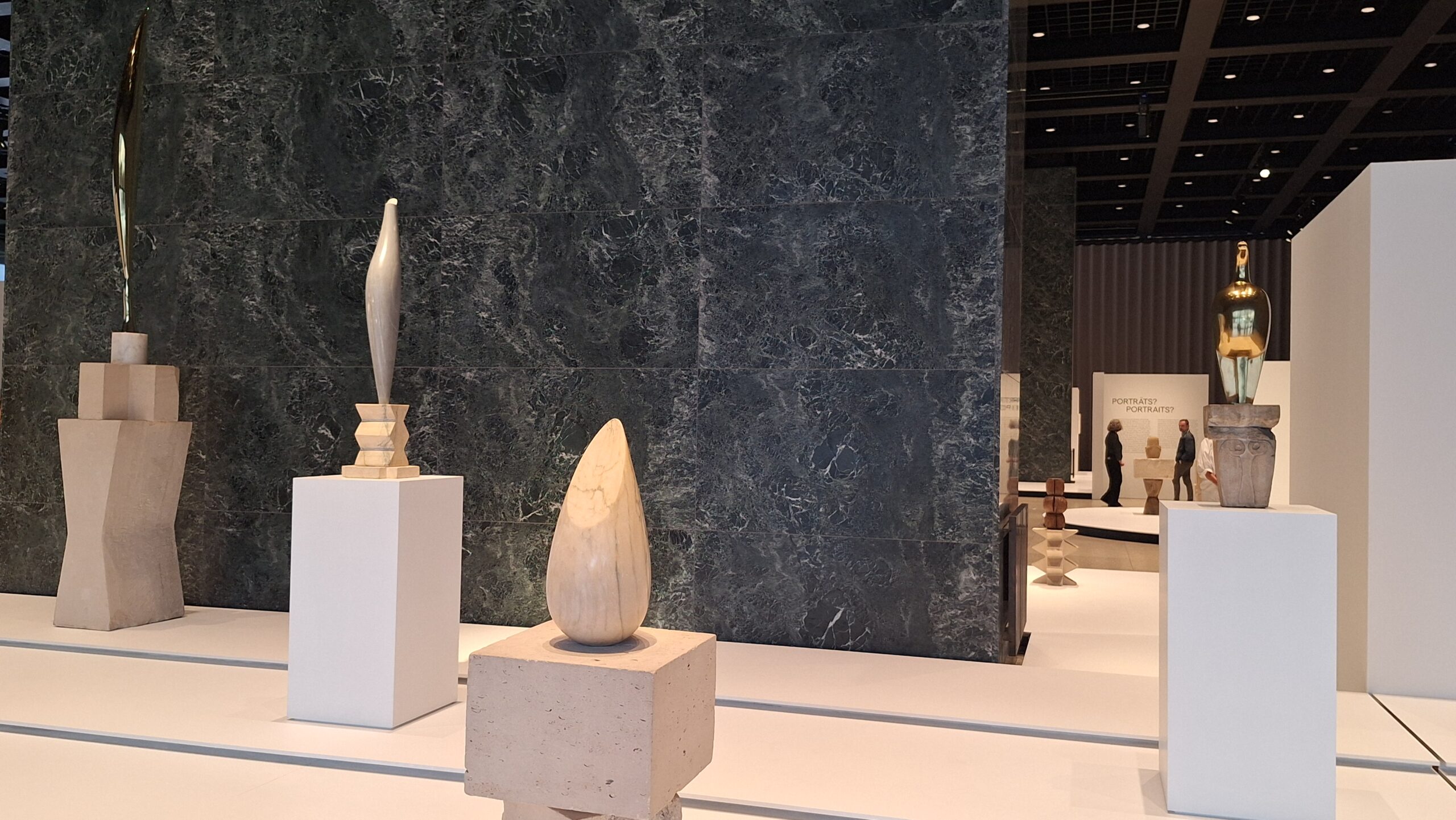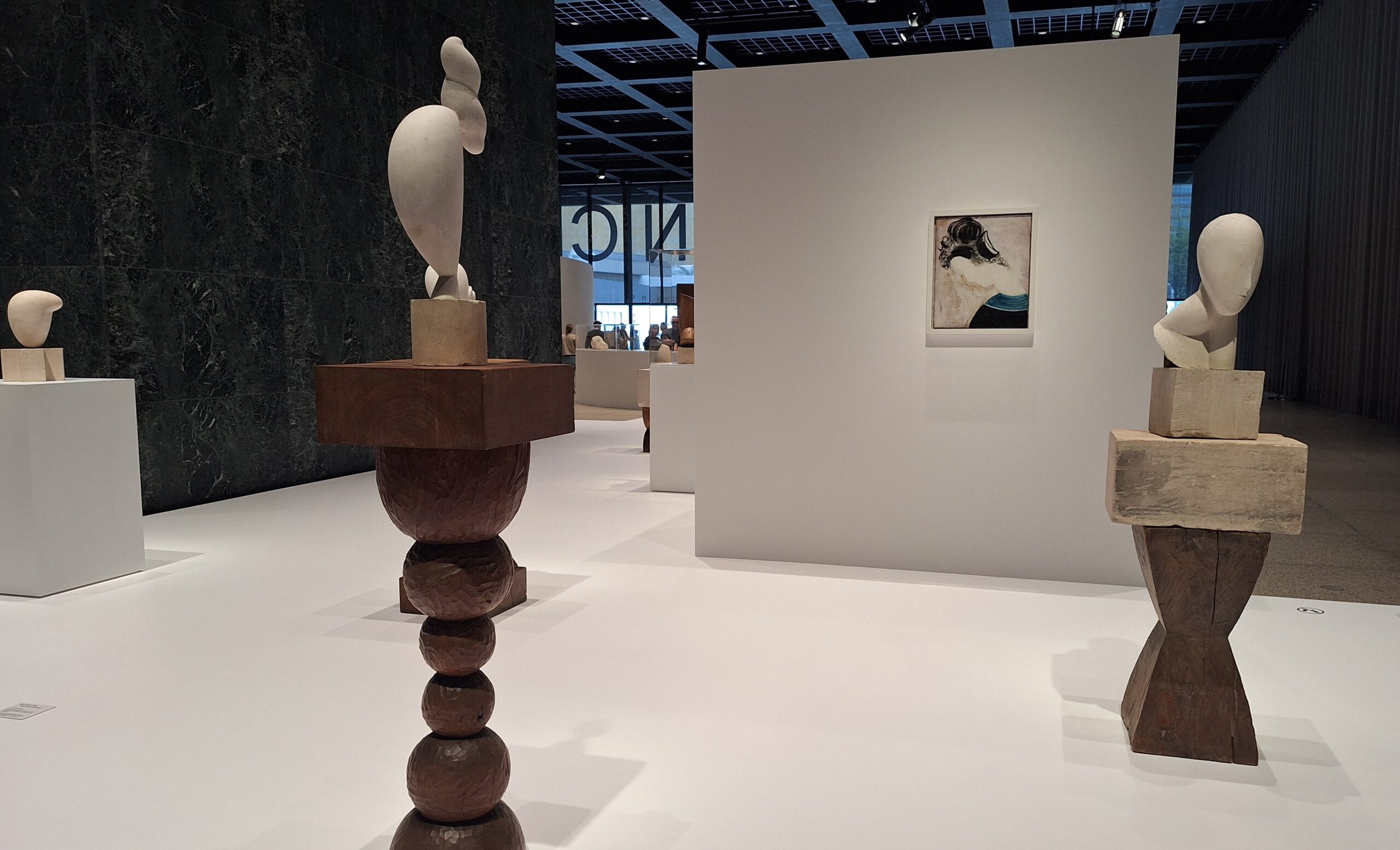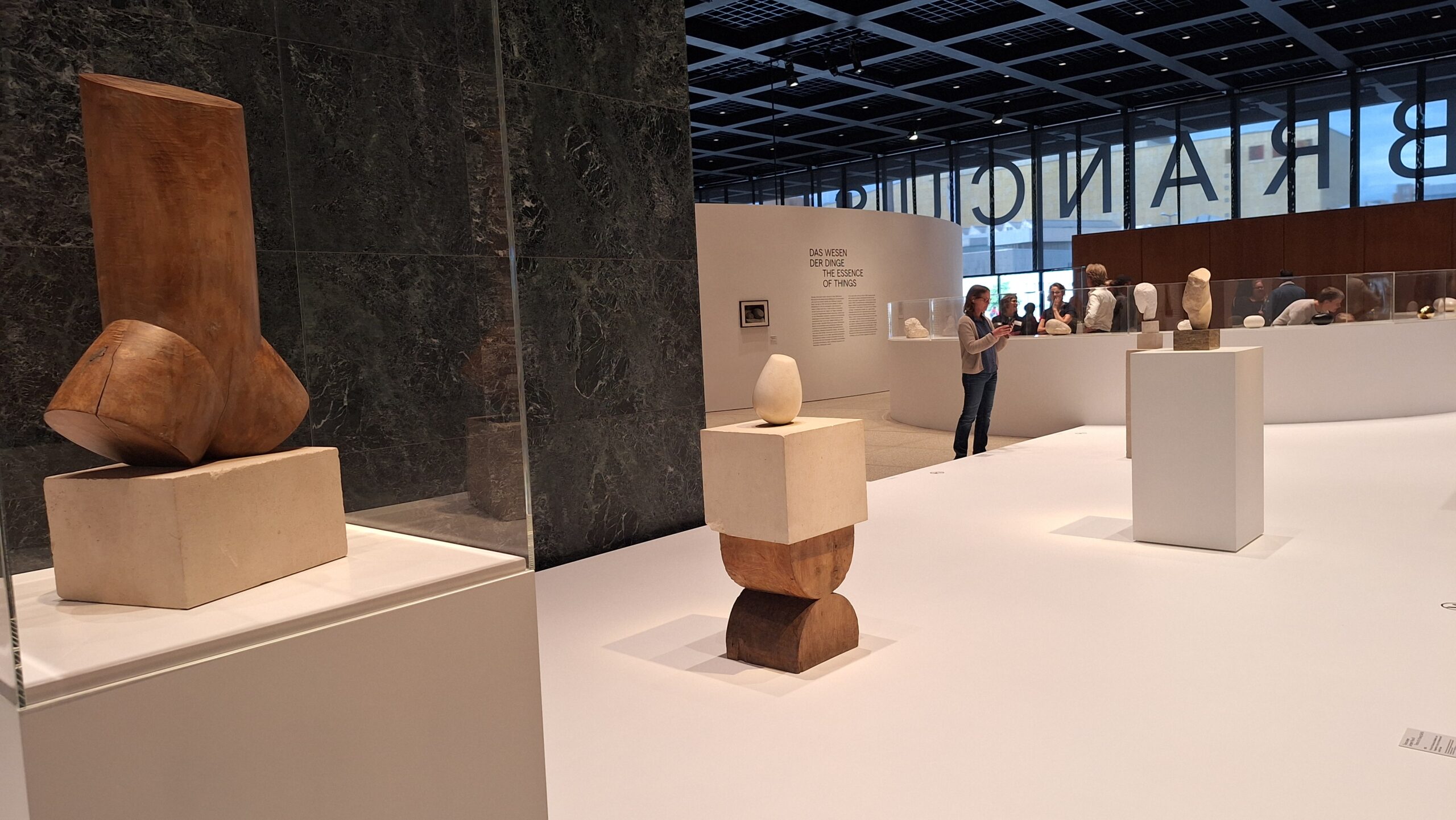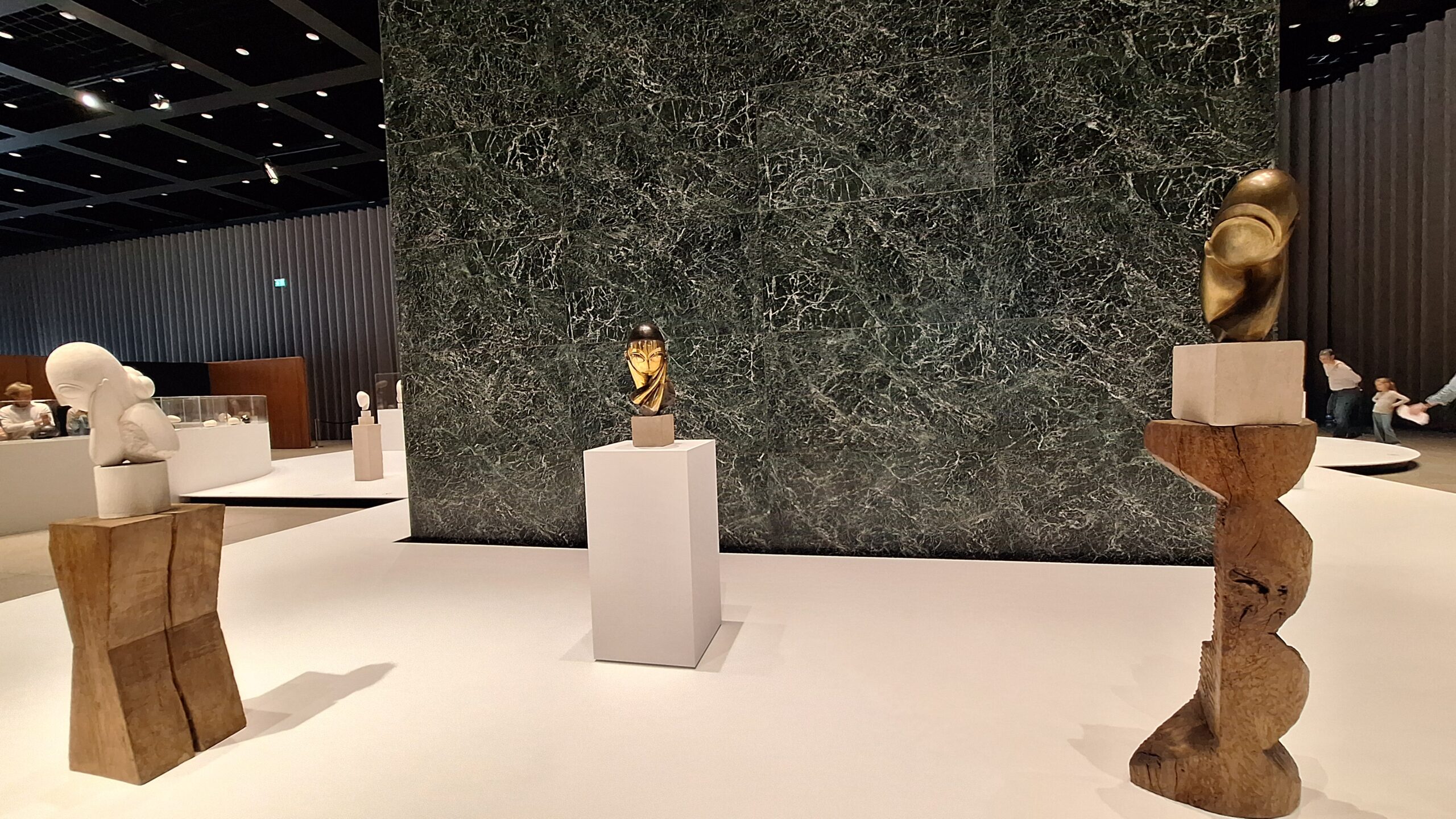
Six hundred km for a Masterpiece: Finding Brâncuși in Berlin

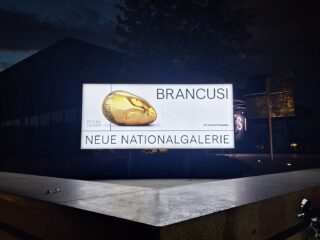
They say art is a destination in itself, but sometimes, the journey matters just as much. It all started with a single notification that anchored my plans for the early summer: The Brâncuși Exhibition, Berlin, open until August 9th, 2026. For an art lover, this wasn’t just a date; it was an invitation to rediscover beauty under the soft light of June. 
My mind instantly shifted into logistics mode: checking hotel rates in the heart of the capital, comparing transport apps, and then looking out the window at my car—the silent companion that promised comfort and, more importantly, the absolute freedom of the open road. Six hundred kilometers later, the math of travel faded into the background.

I checked into the Quentin XL in Potsdamer Platz. The location was perfect—a mere 300 meters from the Neue Nationalgalerie. Even as the afternoon light began to wane, I couldn’t resist. I had to see them.Thankfully, I was able to visit the museum as part of the Art4All program, making the experience even more special.

In that moment, the 600 kilometers behind me felt like nothing more than a brief blink of an eye. Berlin wasn’t just a stop on a map anymore; it was the place where time slowed down, just to let the art speak.

Walking through the doors of the Neue Nationalgalerie, the fatigue of the long drive didn’t just subside—it vanished. Standing there, surrounded by Brâncuși’s sculptures, felt like stepping into a different frequency. His forms don’t just occupy space; they reshape it. I’ve always struggled to contain my artistic emotions, but in that room, I didn’t even try. How can you be composed when stone, wood, and bronze are so perfectly aligned with the human soul?

Leaving the Neue Nationalgalerie, I realized that Brâncuși’s genius wasn’t just in the stone or bronze, but in the silence he carved around them. It was a rare, grounded moment of clarity—a reminder that in a world of constant motion, art is the only true anchor. Now, as the city of Berlin fades in my rearview mirror, I carry with me not just the memory of these shapes, but a sense of profound, quiet equilibrium.

Alte Nationalgalerie: A Temple of 19th-Century Masterpieces

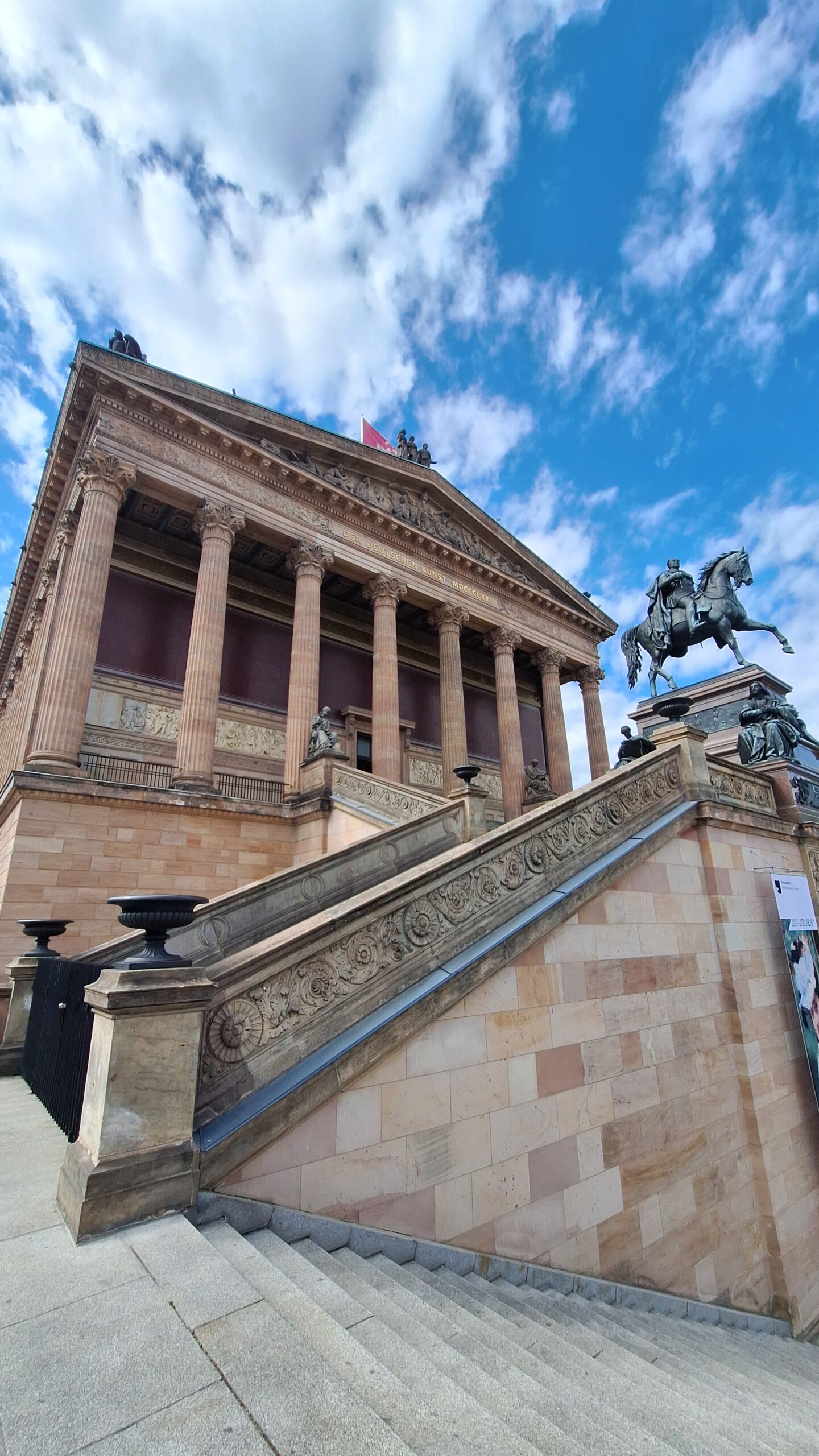
My journey continued to the heart of Museum Island, where the Alte Nationalgalerie stands like a neoclassical temple dedicated to the arts. After a smooth entry—securing my ticket and waiting no more than five minutes—I was ready to immerse myself in one of the most prestigious collections in Europe.

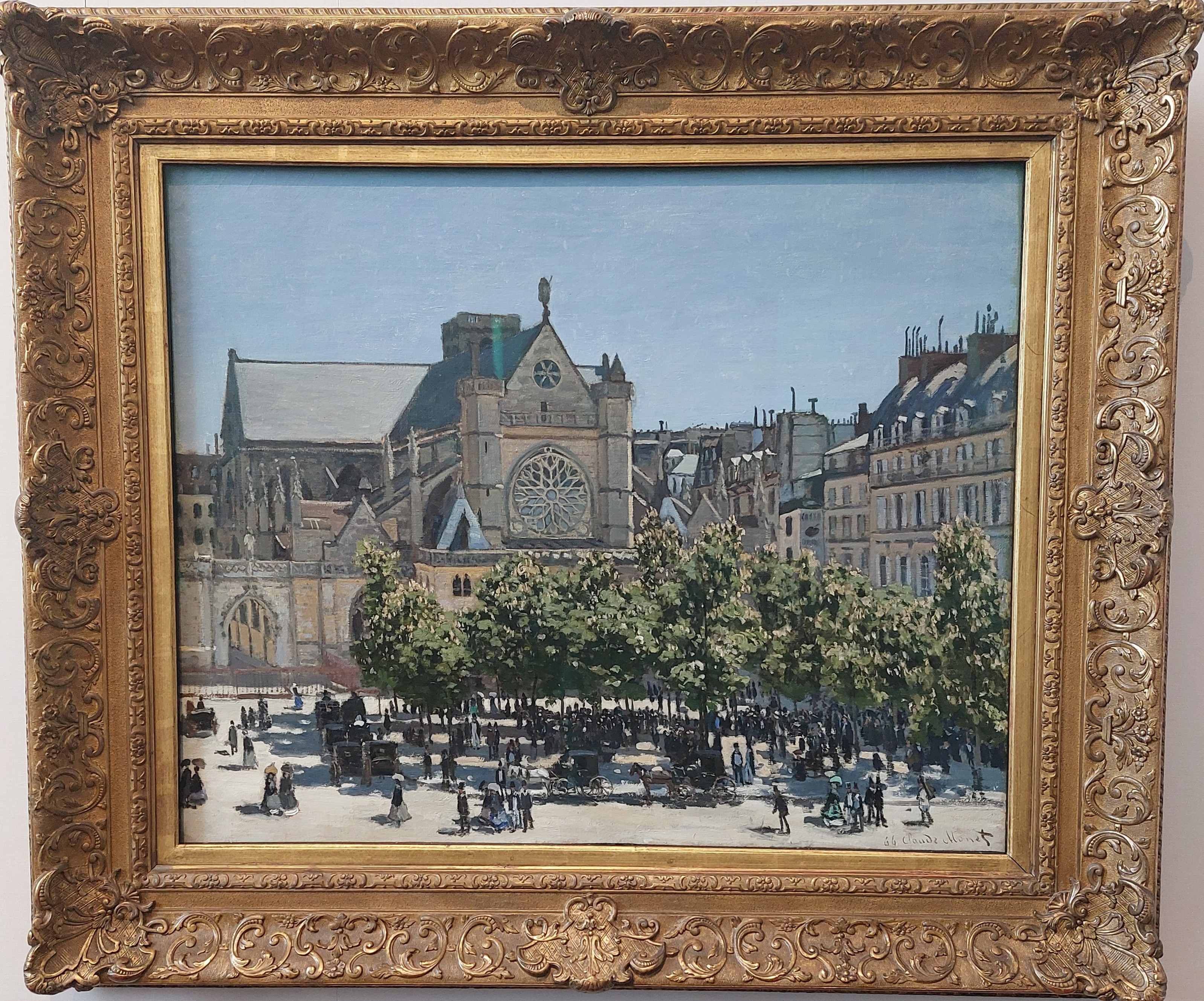
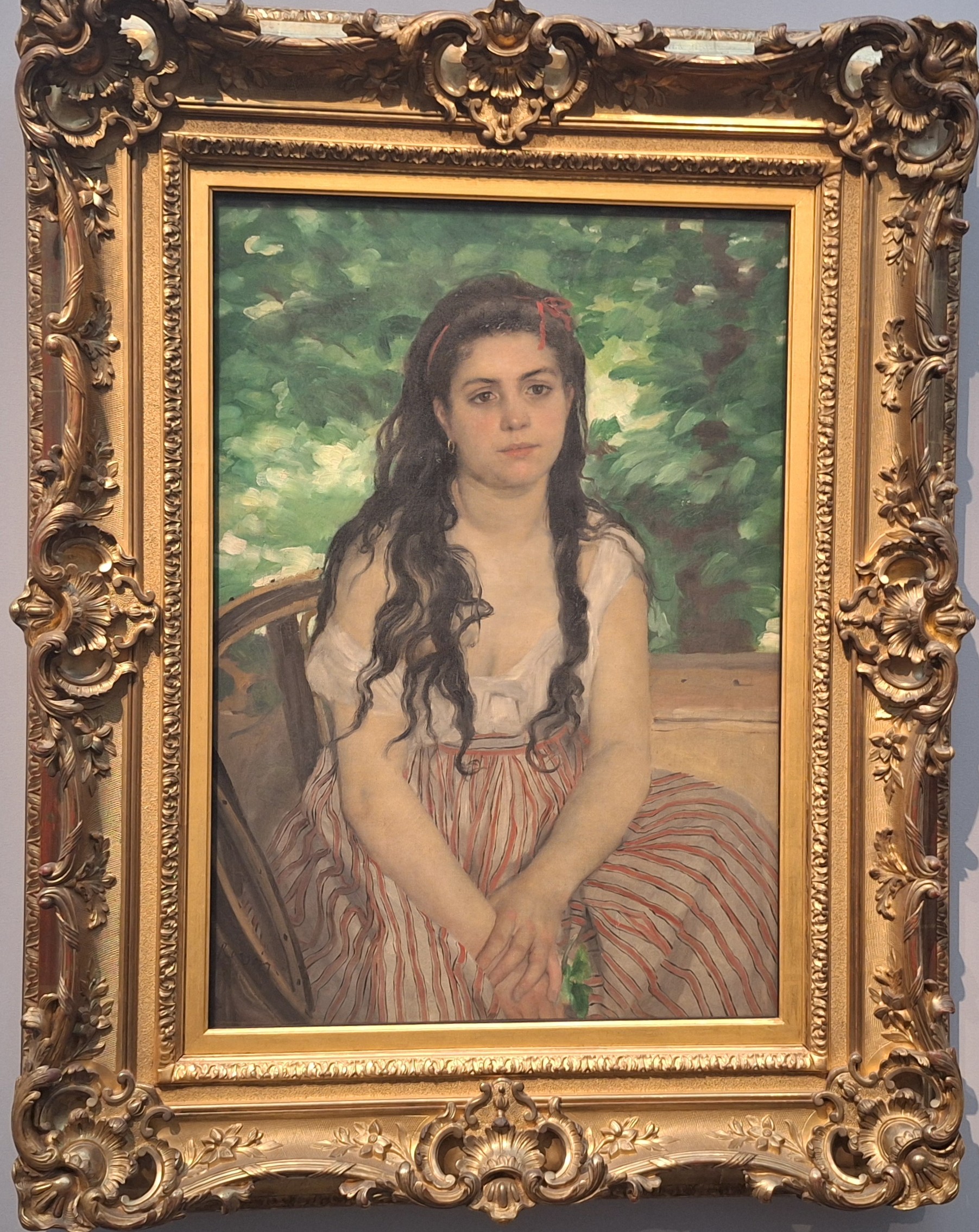
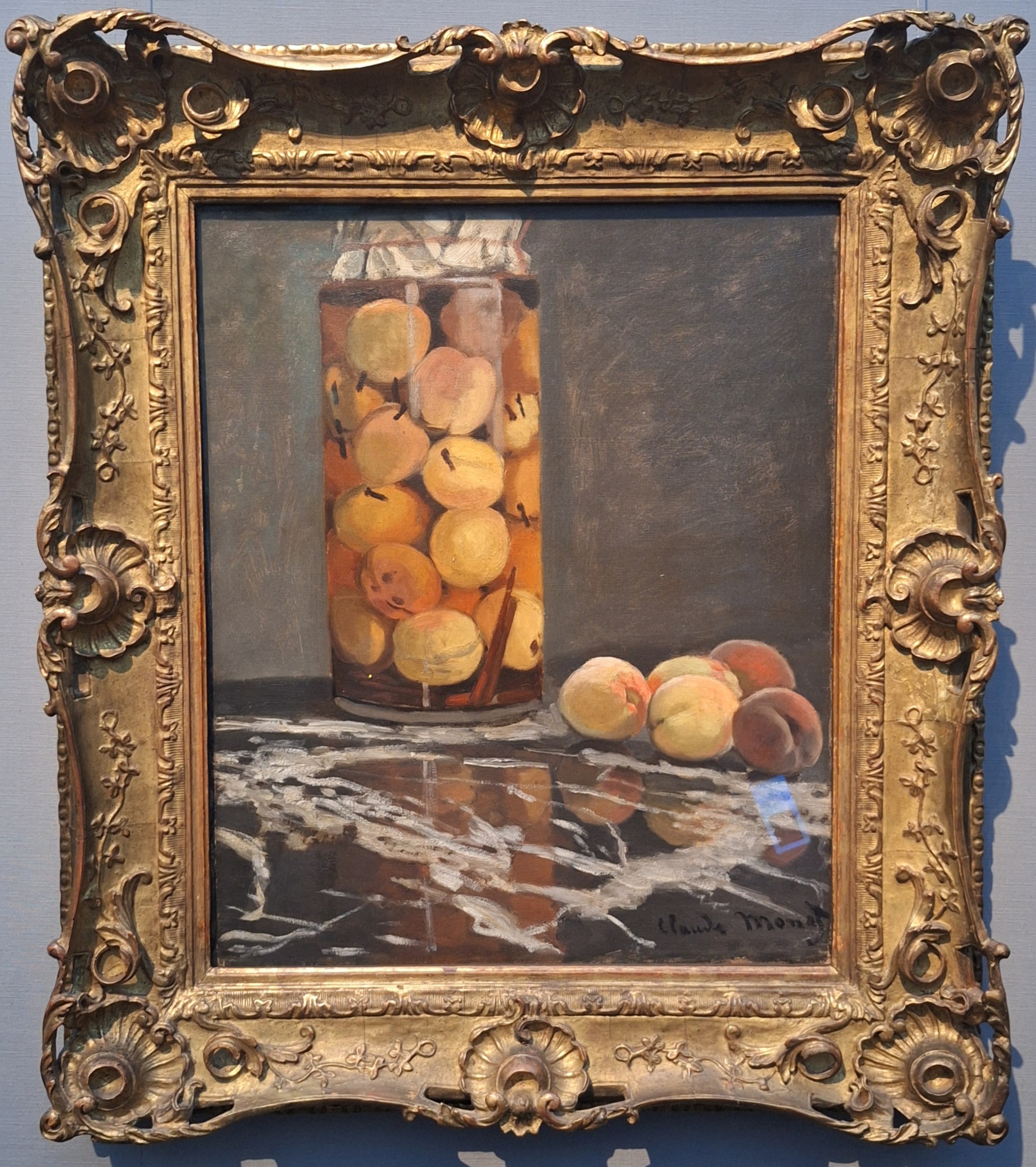
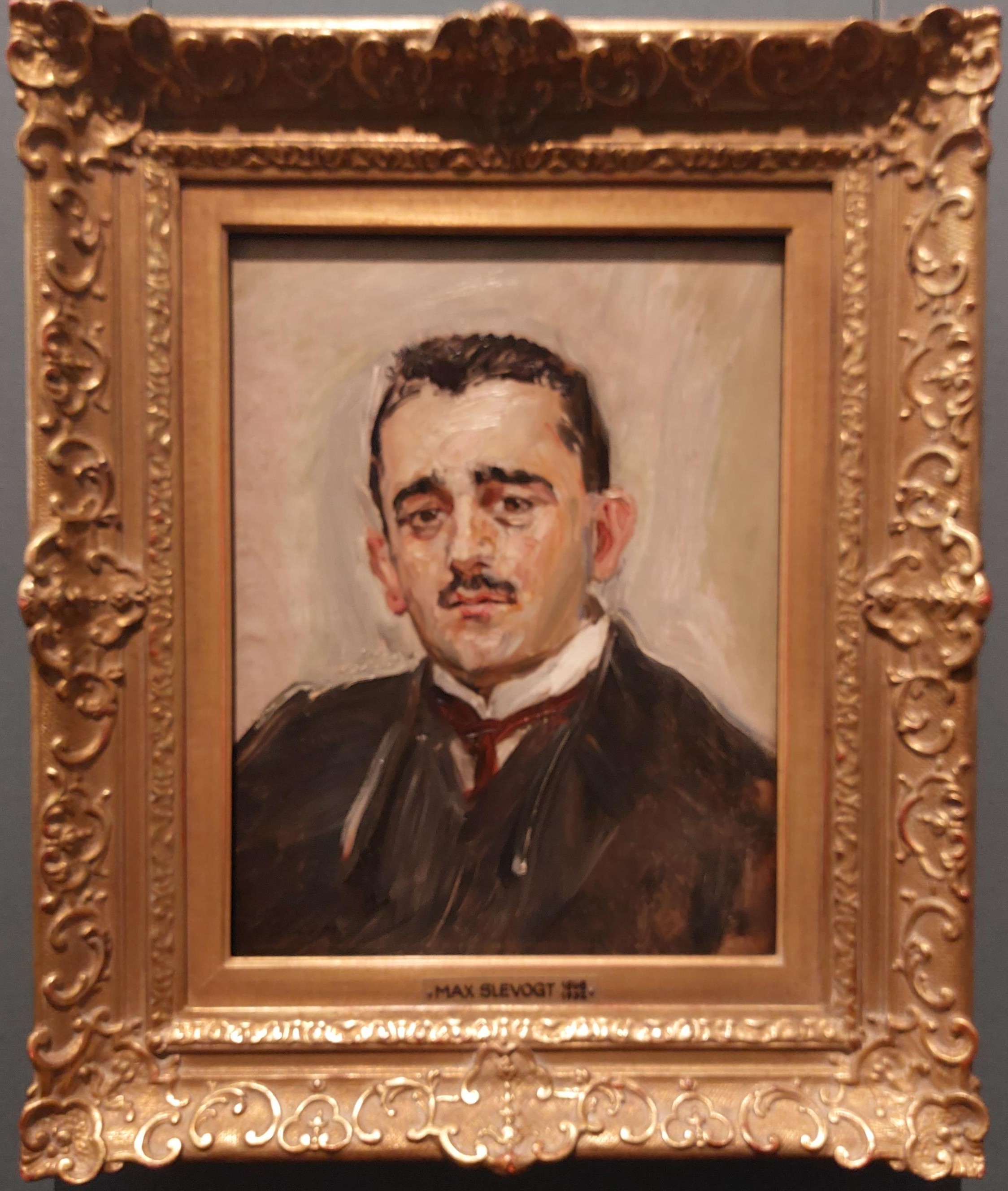
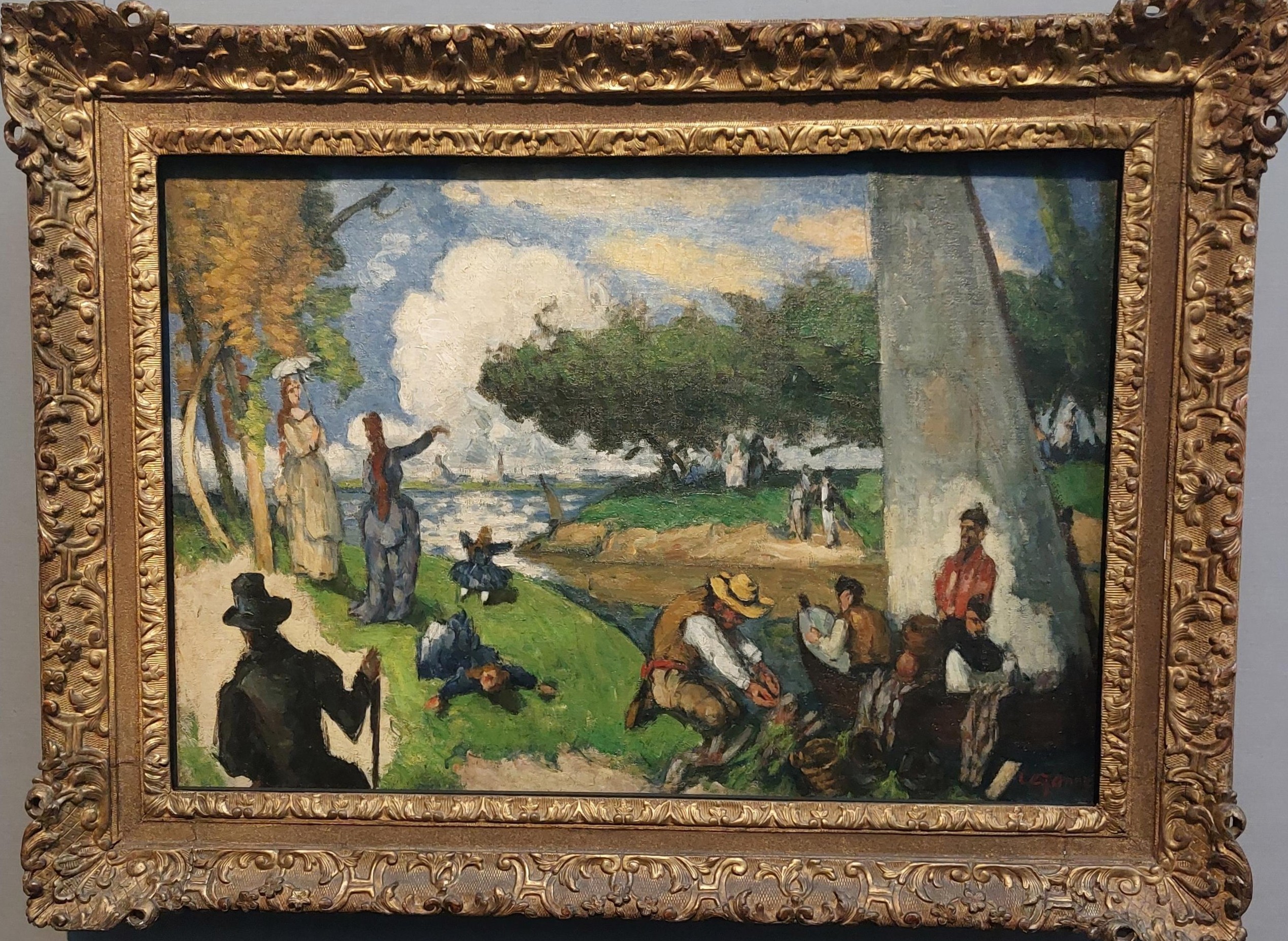
The absolute highlight of my visit was the Cassirer Collection on the first floor. Seeing the works of French Impressionists in such a grand setting was a revelation. I found myself lingering in front of the delicate light of Claude Monet, the vibrant social scenes of Pierre-Auguste Renoir, and the masterful compositions of Édouard Manet and Edgar Degas. It is a space where the brushstrokes of Paris meet the architectural solemnity of Berlin.

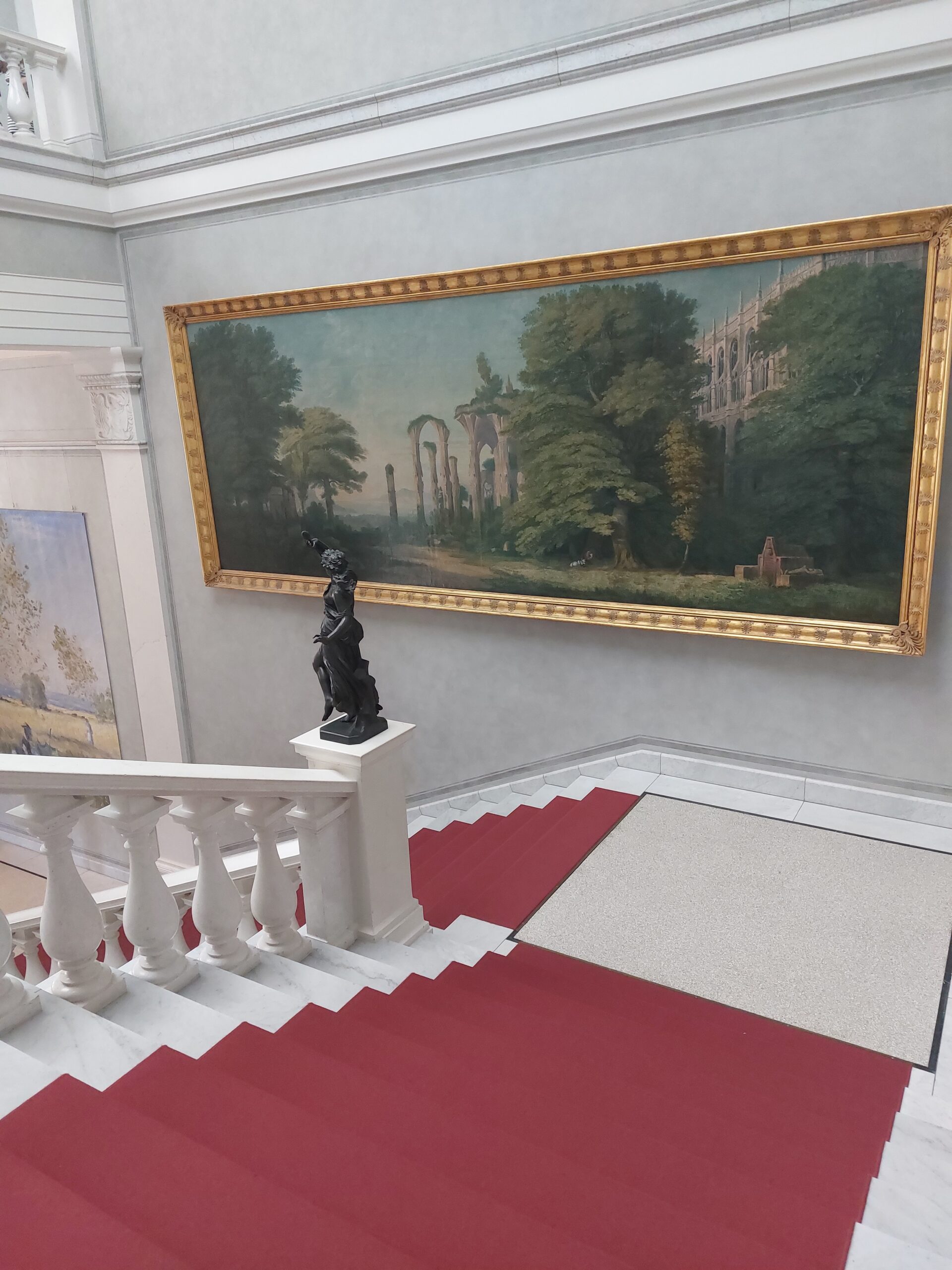
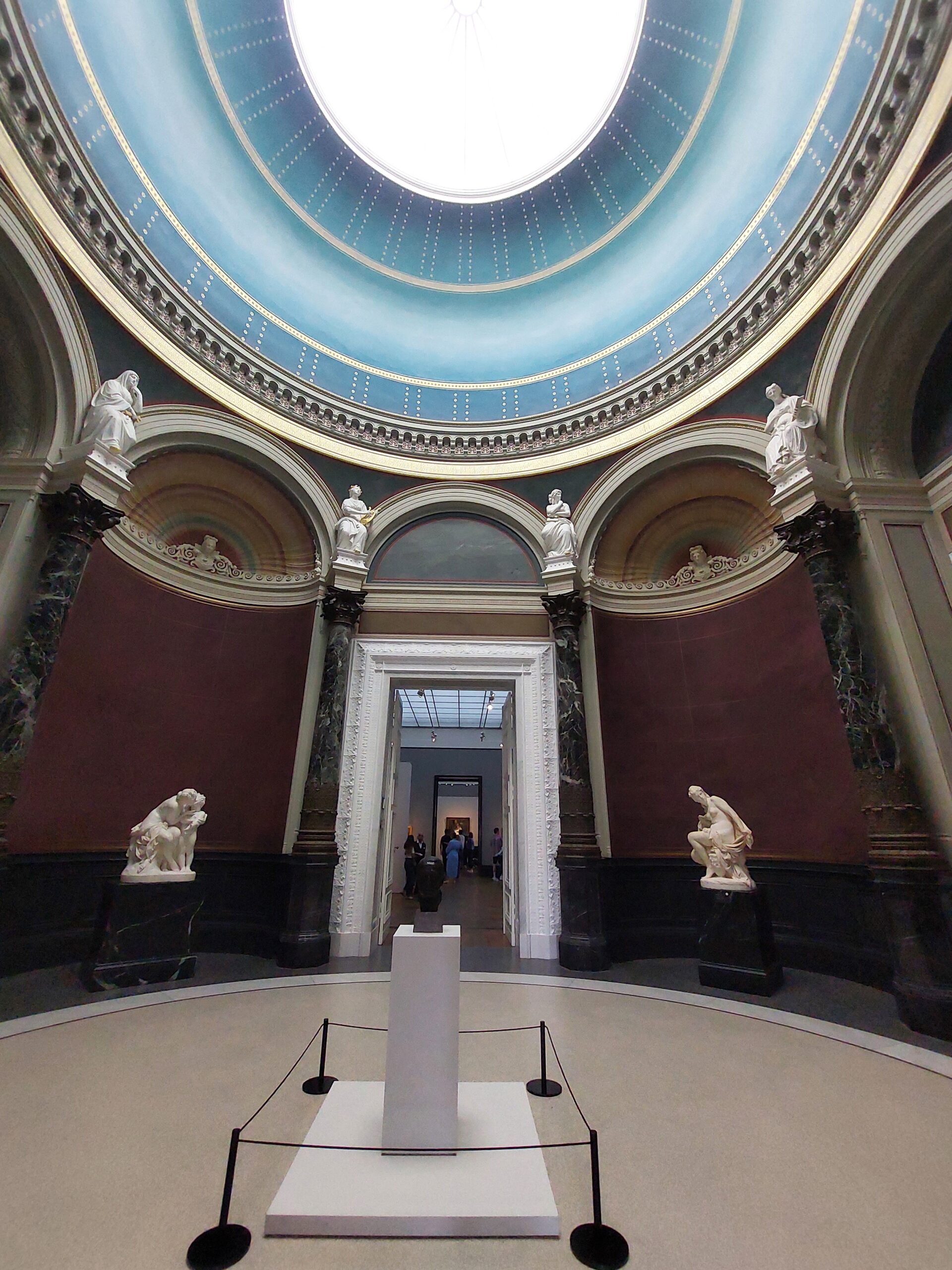
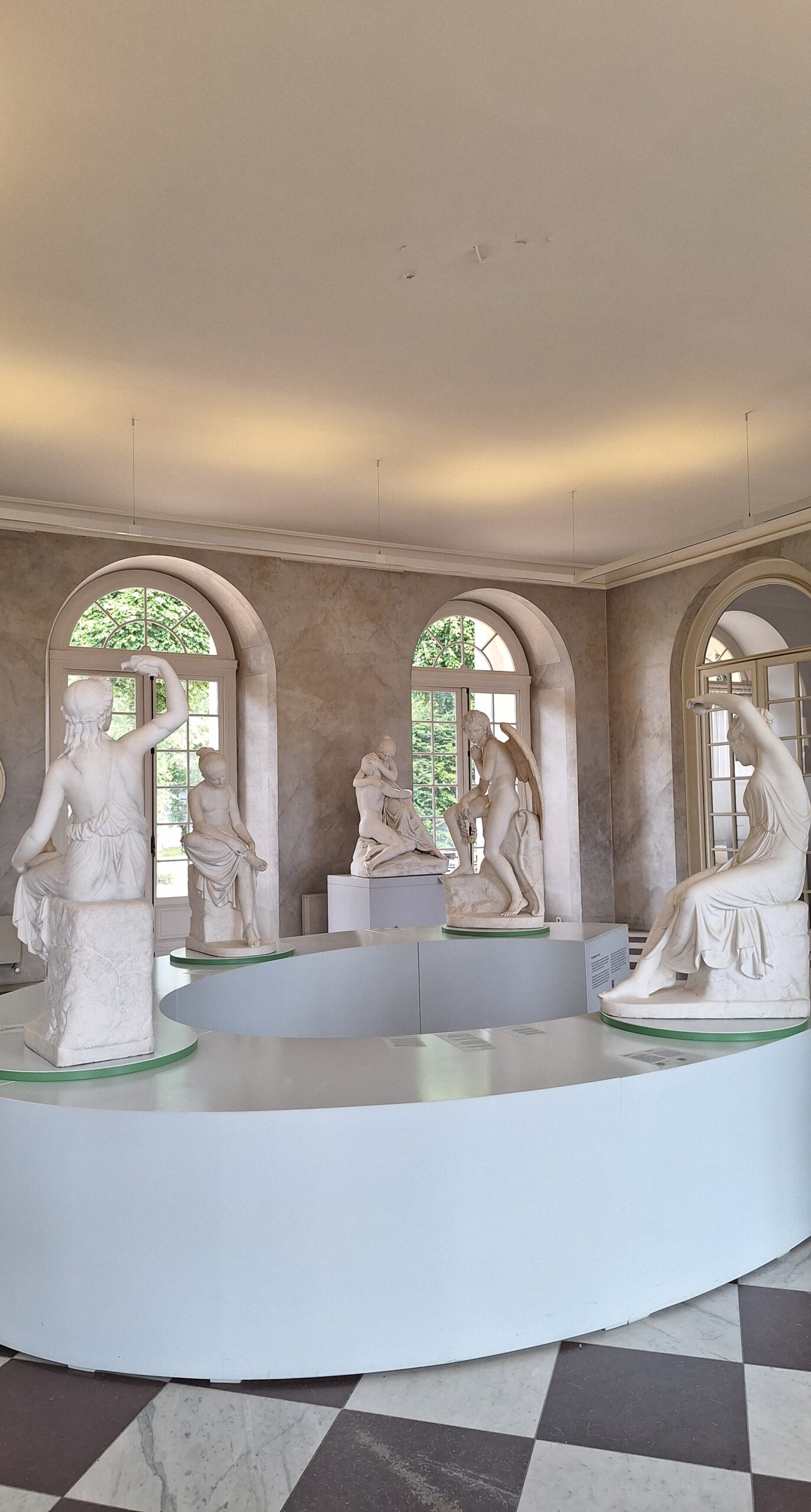
Ascending to the second floor, the atmosphere shifted toward the emotional intensity of German Romanticism. Here, the haunting, vast landscapes of Caspar David Friedrich—including his iconic Monk by the Sea—command a profound silence. The ground floor completed the experience with its monumental sculptures, such as the exquisite Princess Group by Johann Gottfried Schadow, and the realistic, detailed paintings of Adolph Menzel, who captured the essence of the Prussian era.

Wandering through these three levels felt like walking through the very soul of the 19th century. From the ethereal to the everyday, every room offered a new frequency of artistic expression.

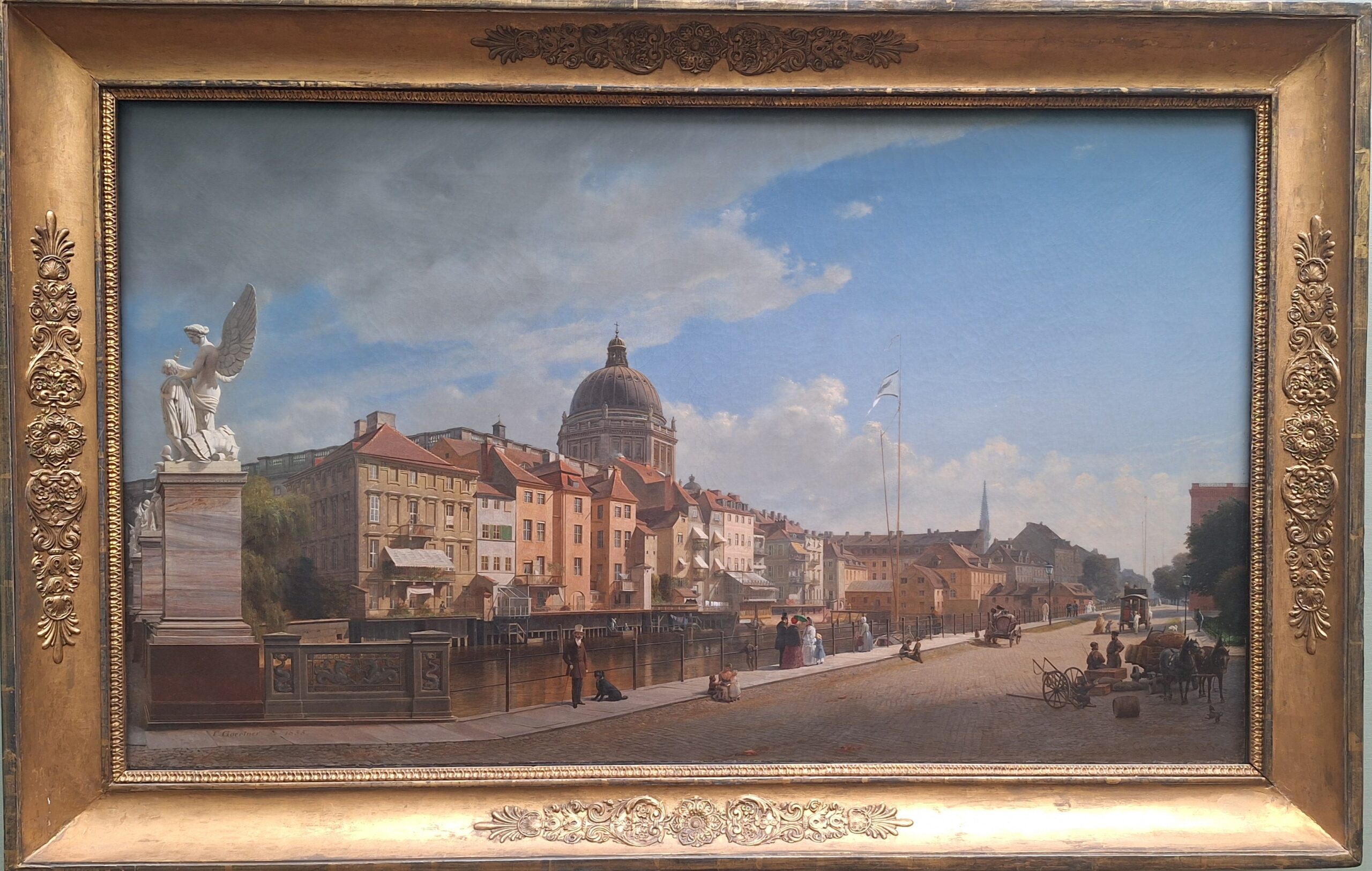
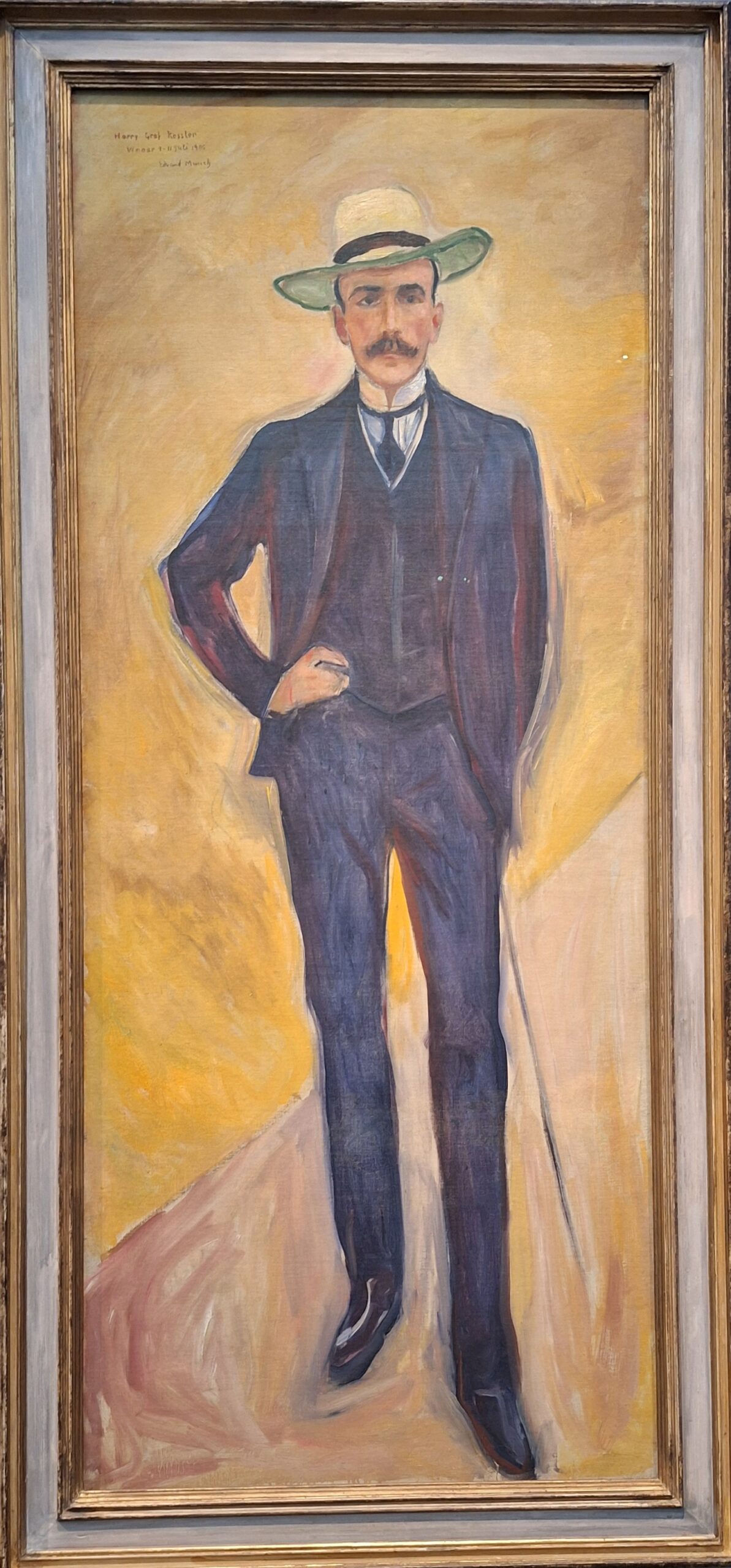
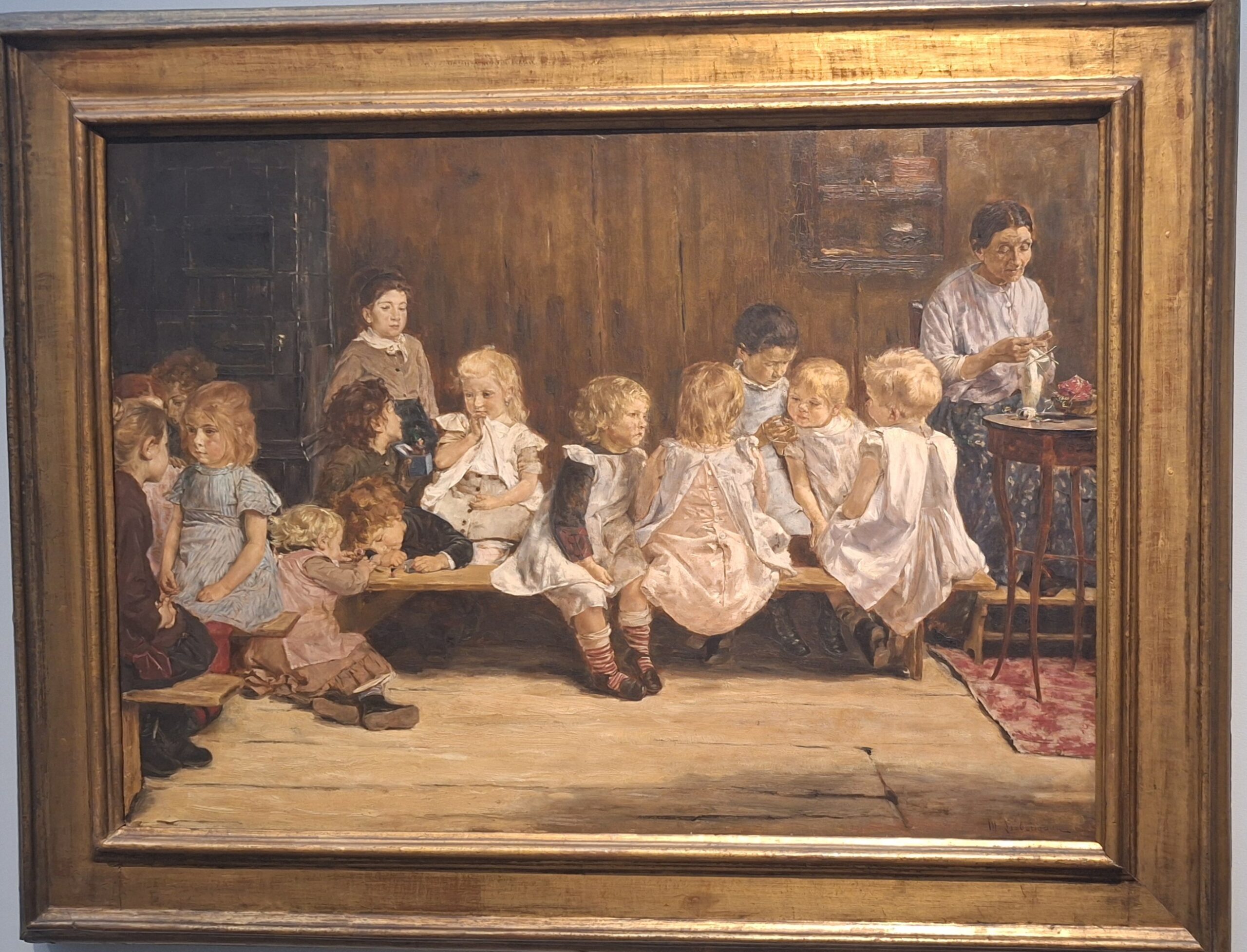
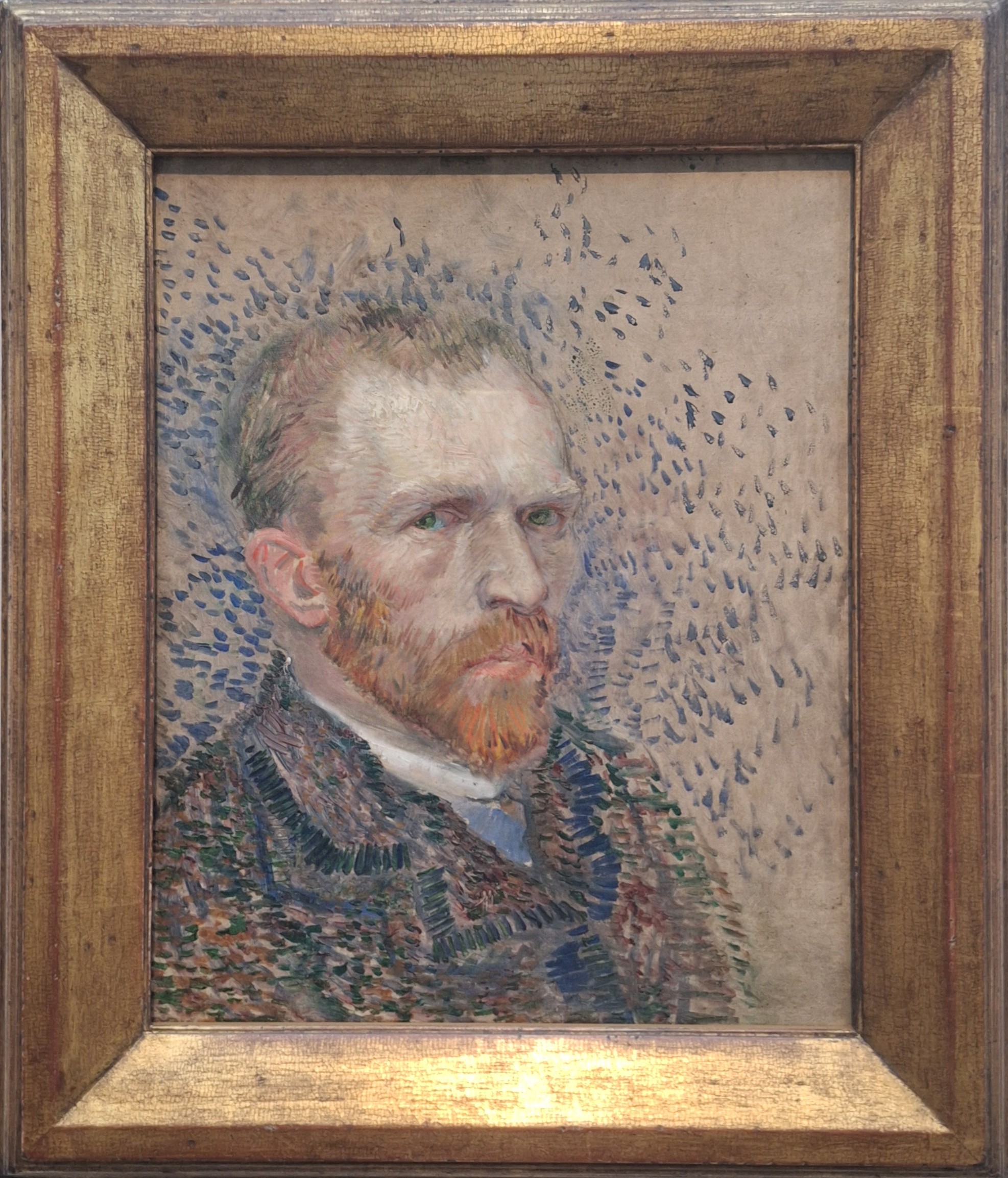
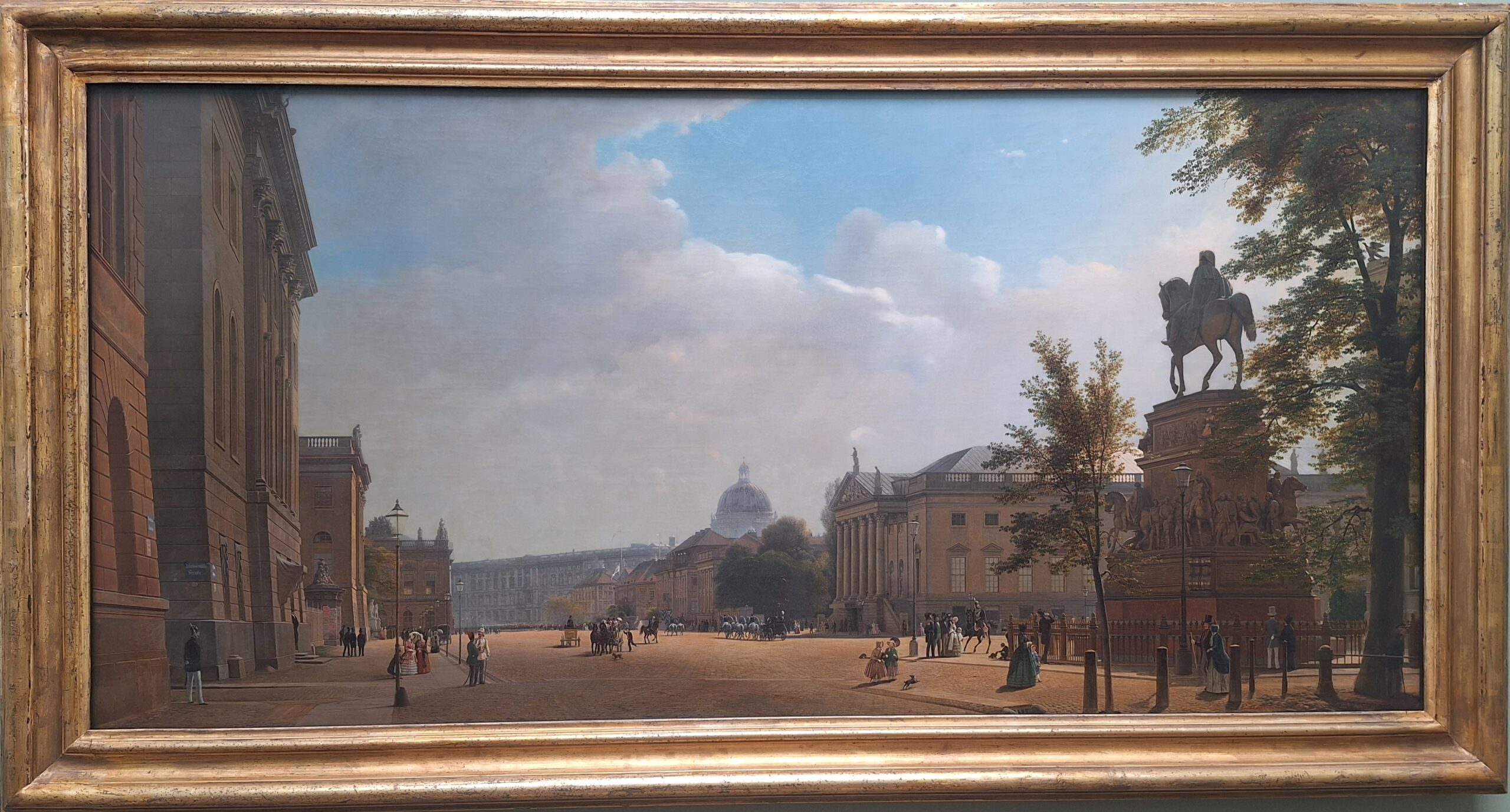
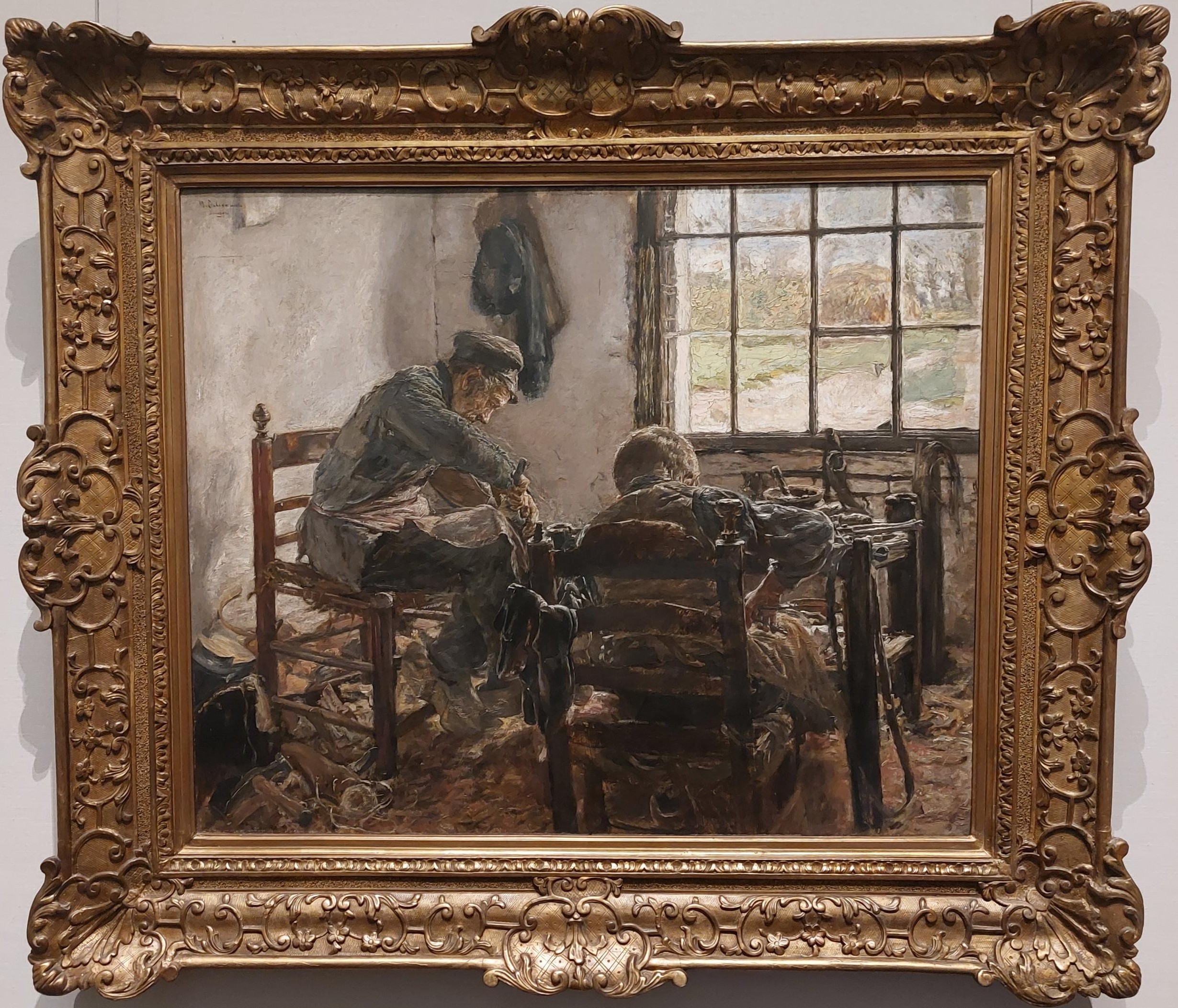
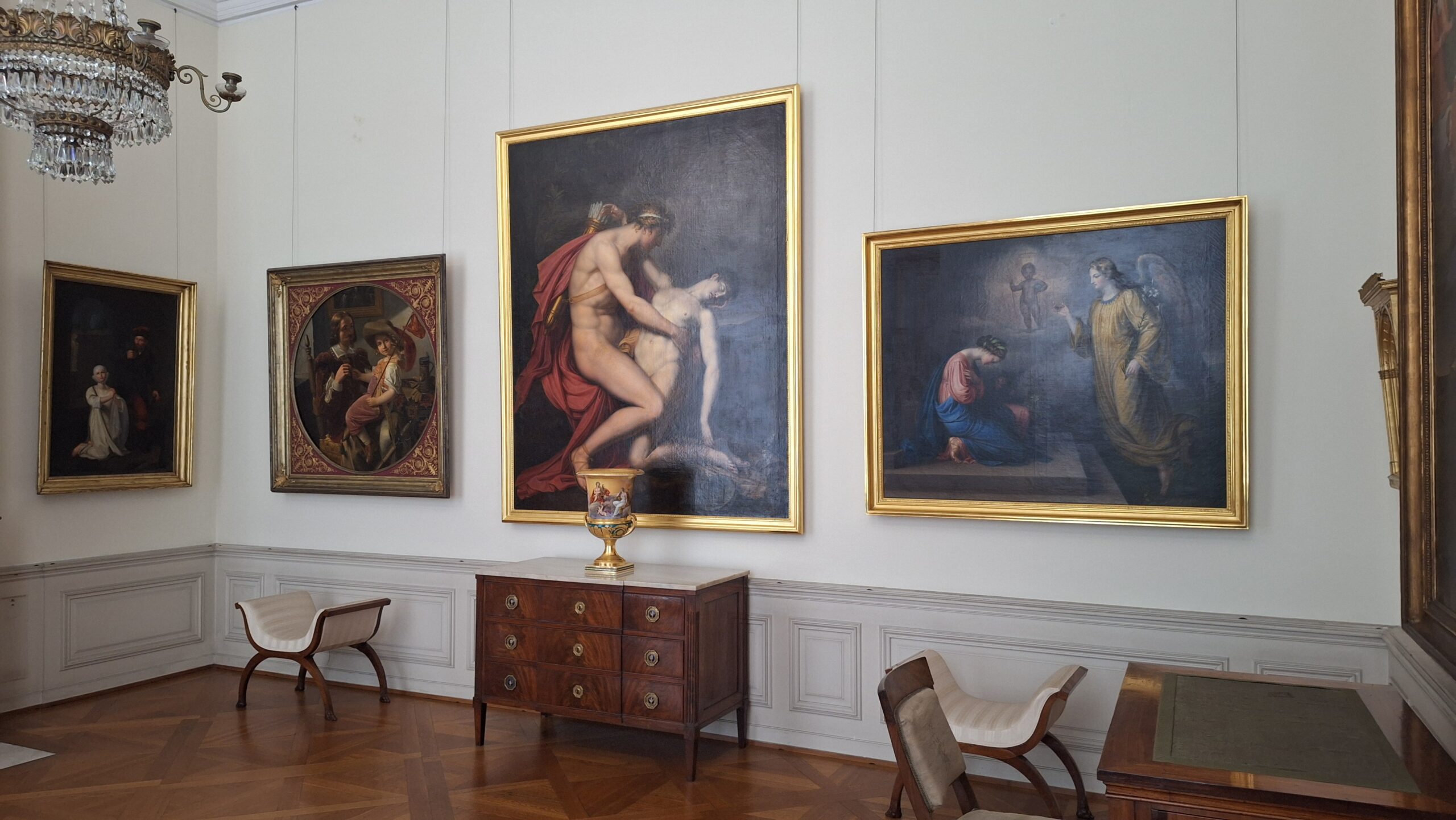
Beyond the descriptions, the museum has a unique energy. Here are a few snapshots from my walk through the gallery.

Charlottenburg Palace: A Baroque Dream in Berlin

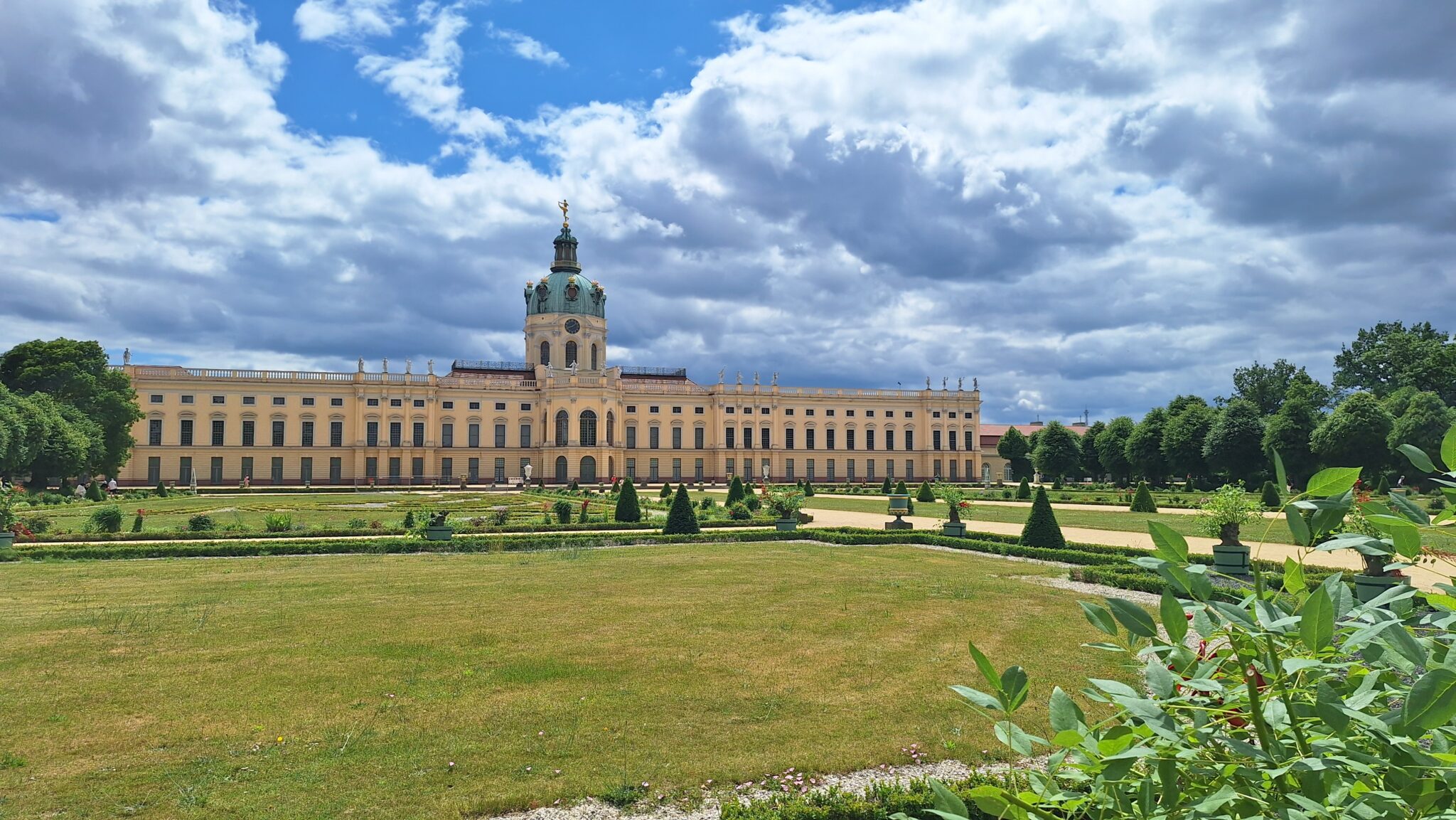
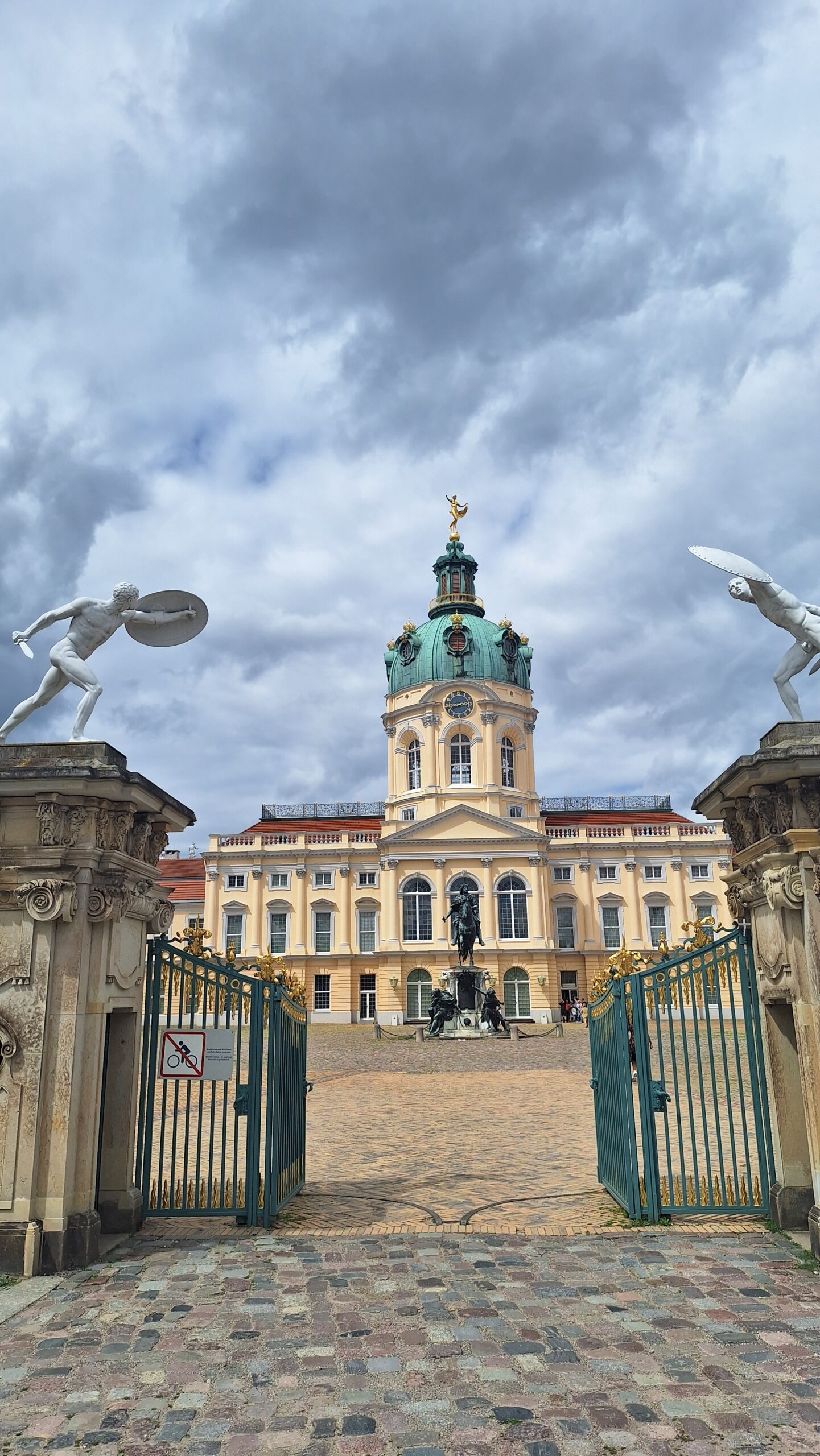
My journey through Berlin continued at the magnificent Charlottenburg Palace, a place where time seems to stand still. I began with a leisurely stroll through the palace gardens, where I admired the graceful white swans gliding across the lake and the impressive fountain. The exterior architecture of the palace is simply breathtaking, highlighted by its iconic, soaring dome. 

The warm, golden hues of the stone facade caught the afternoon light with such precision that the building seemed to glow, serving as a powerful reminder of the grandeur of the Prussian era.

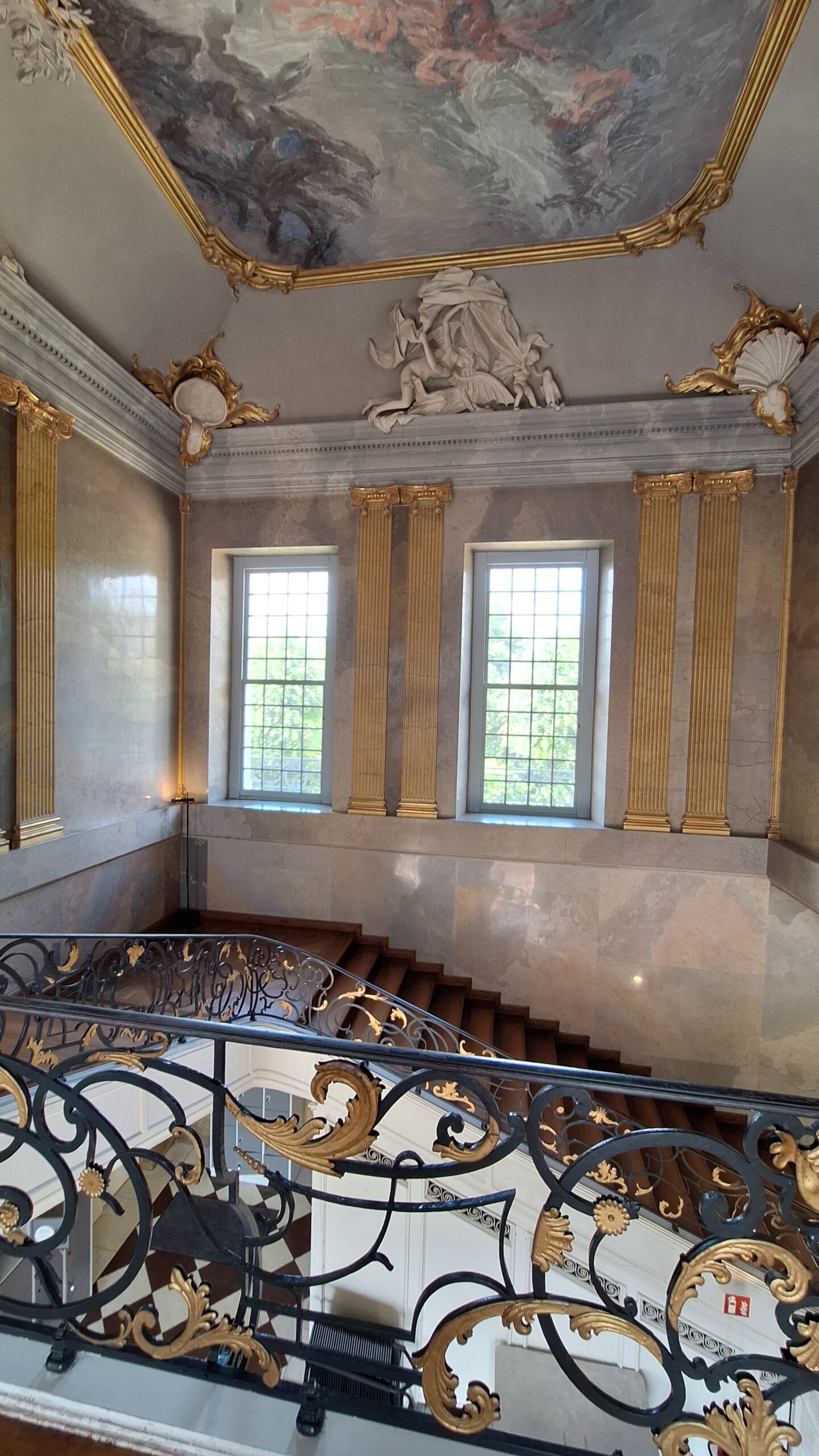
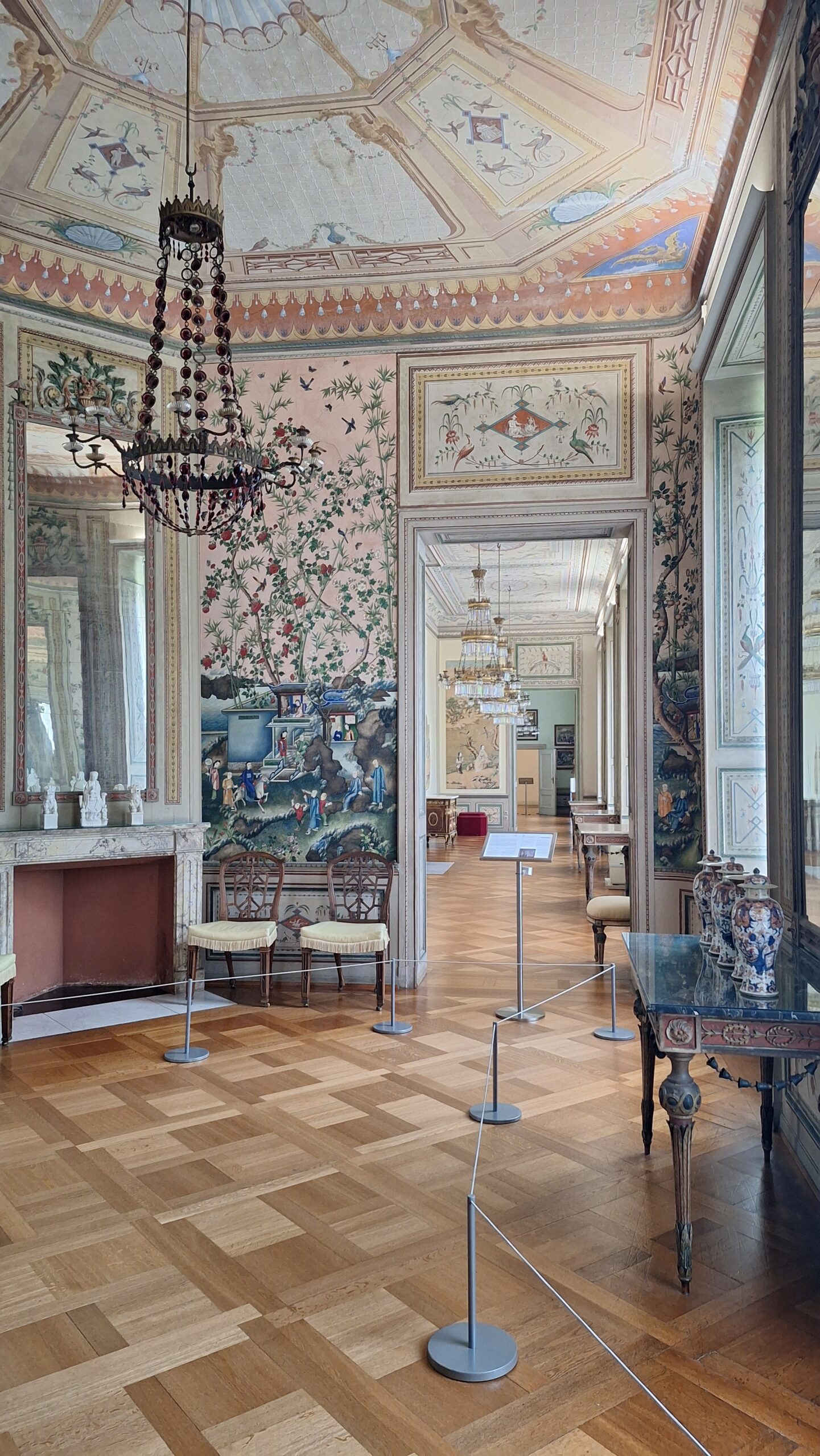
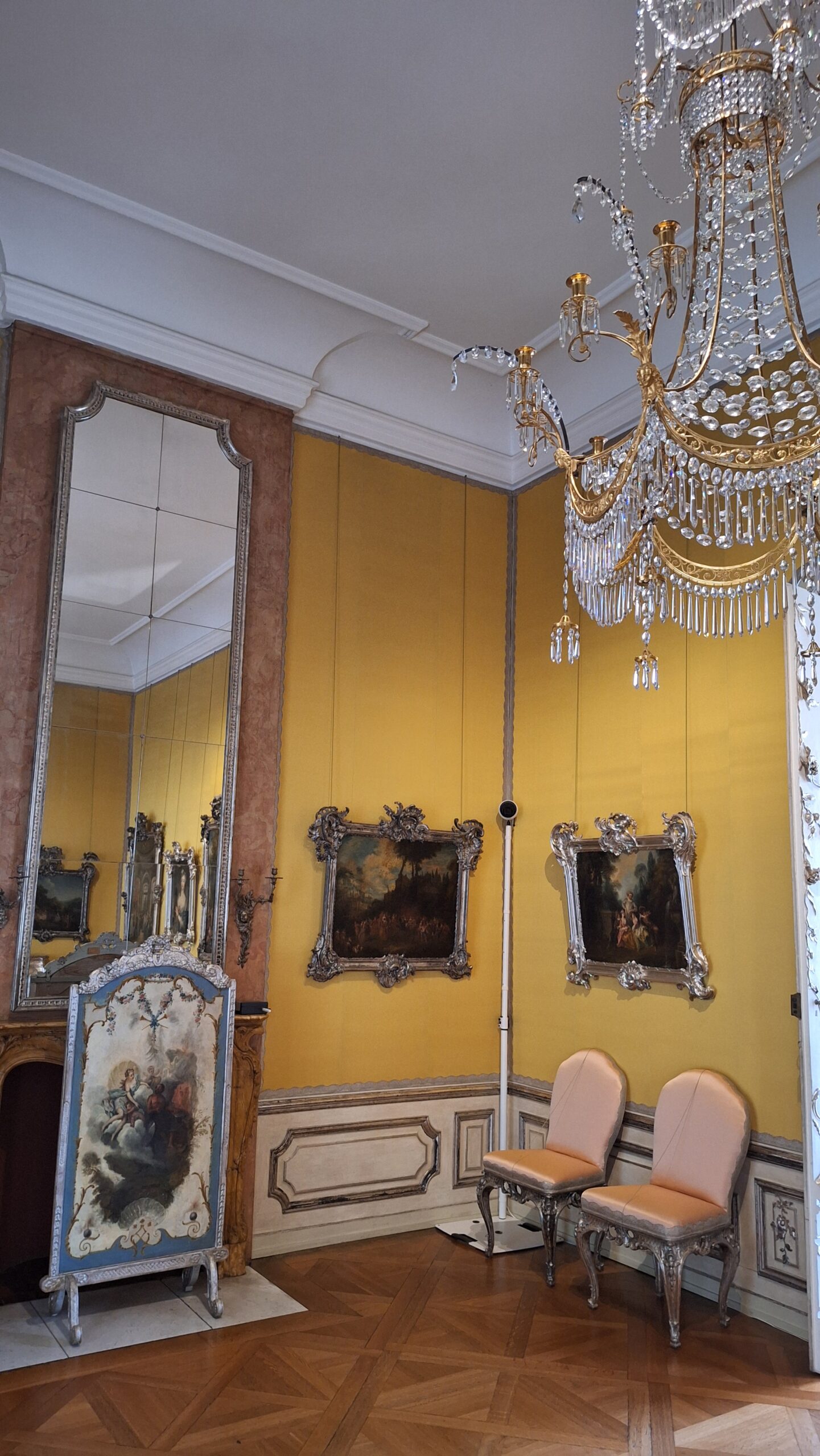
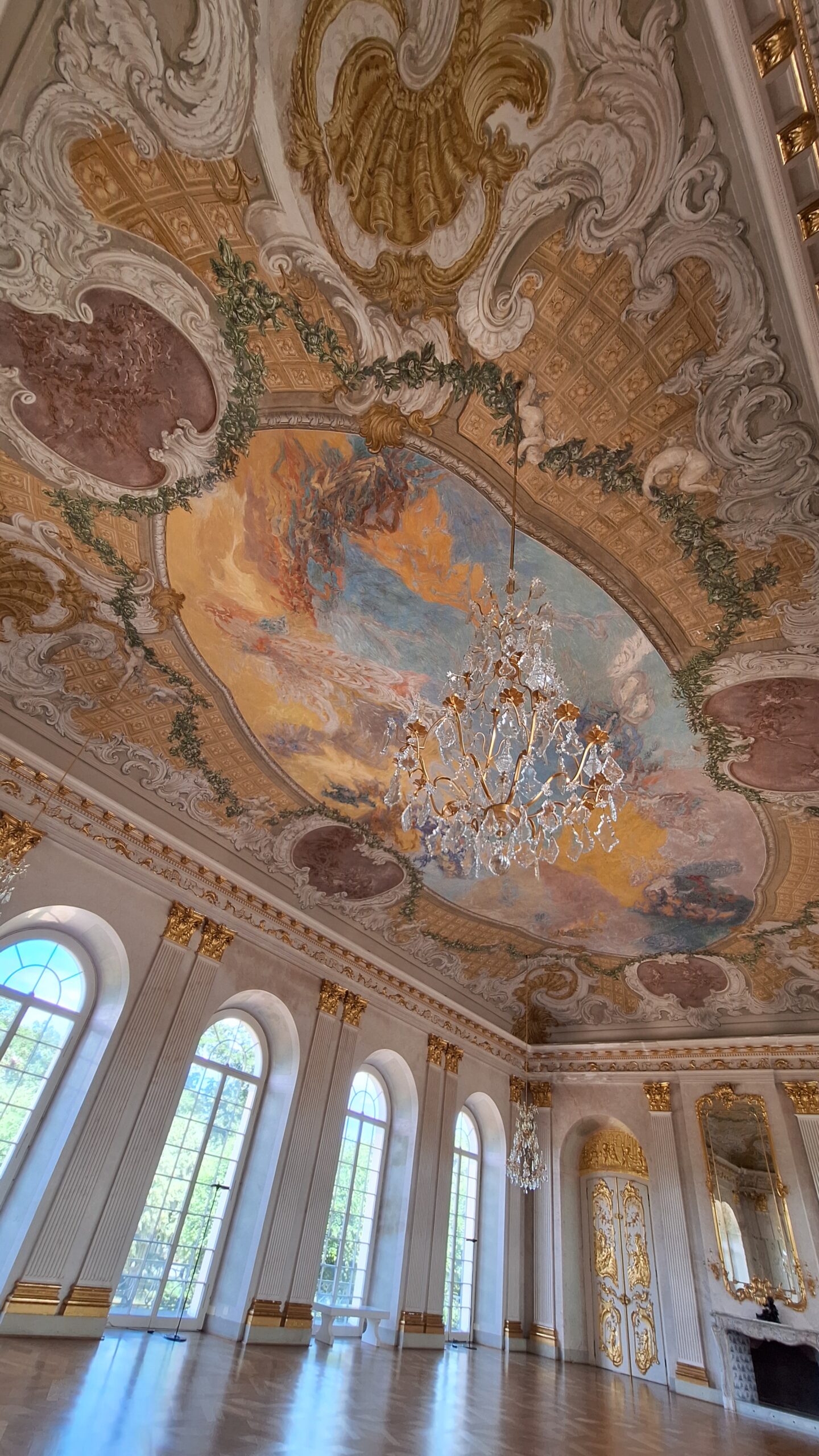
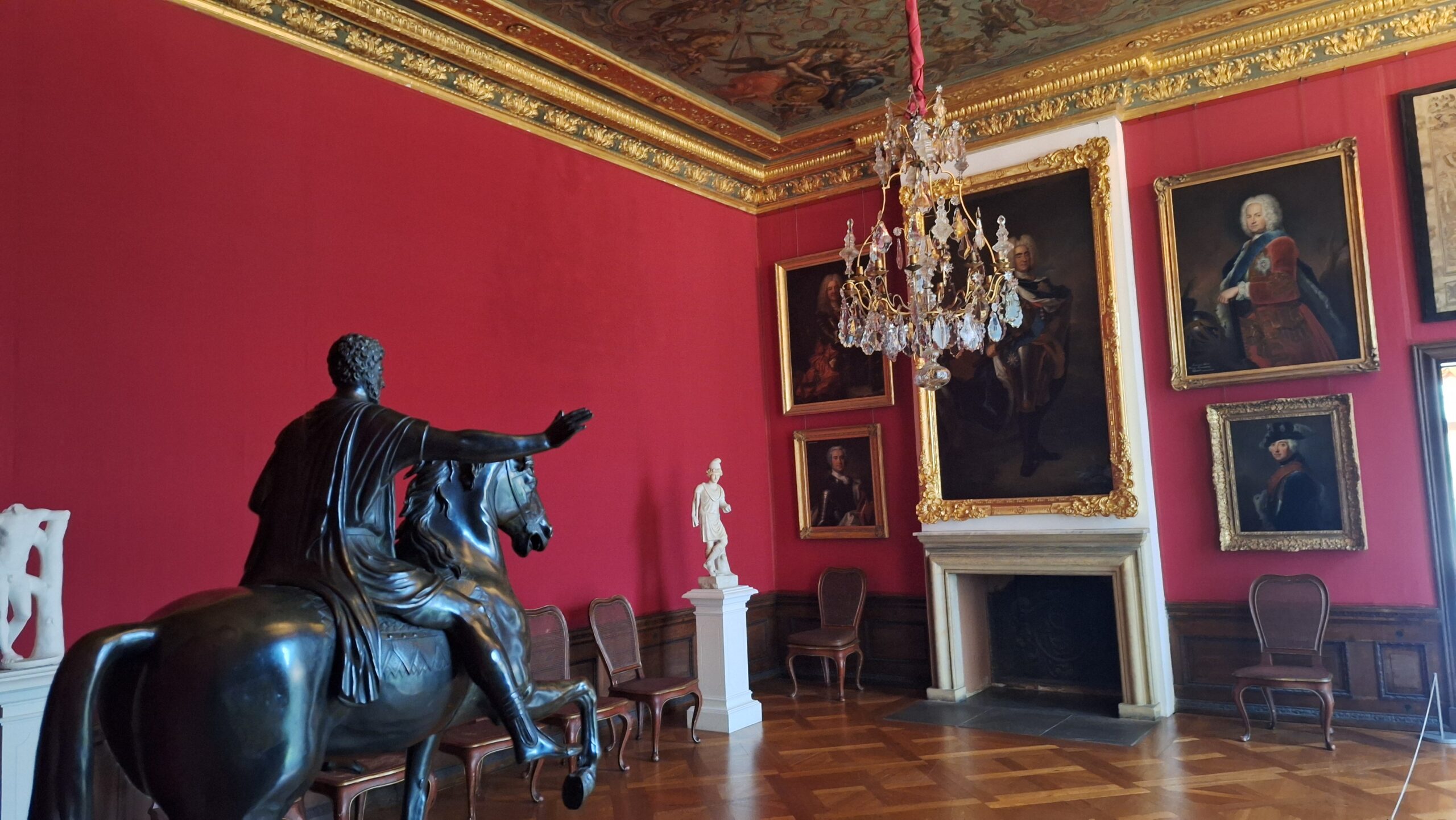
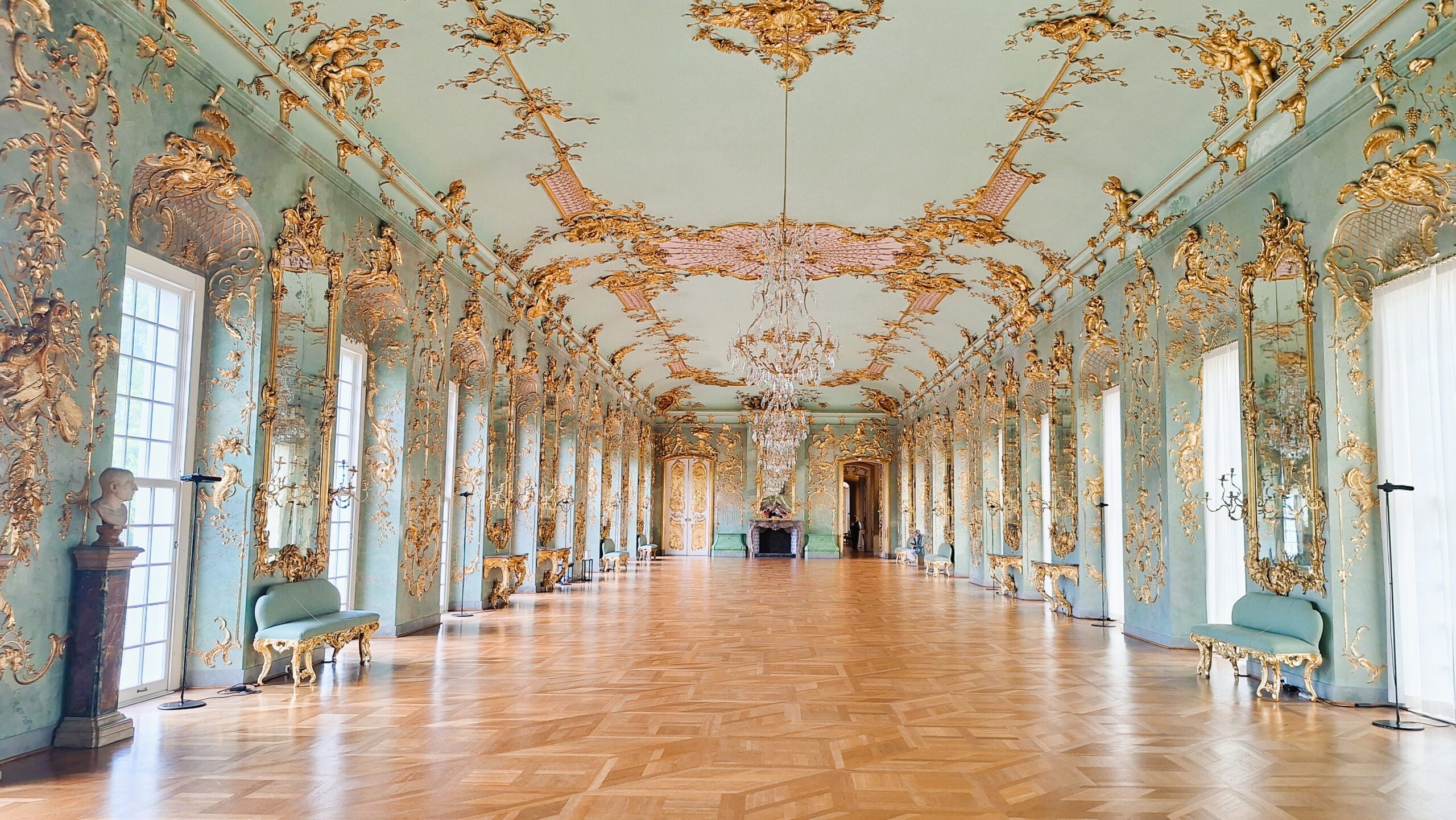
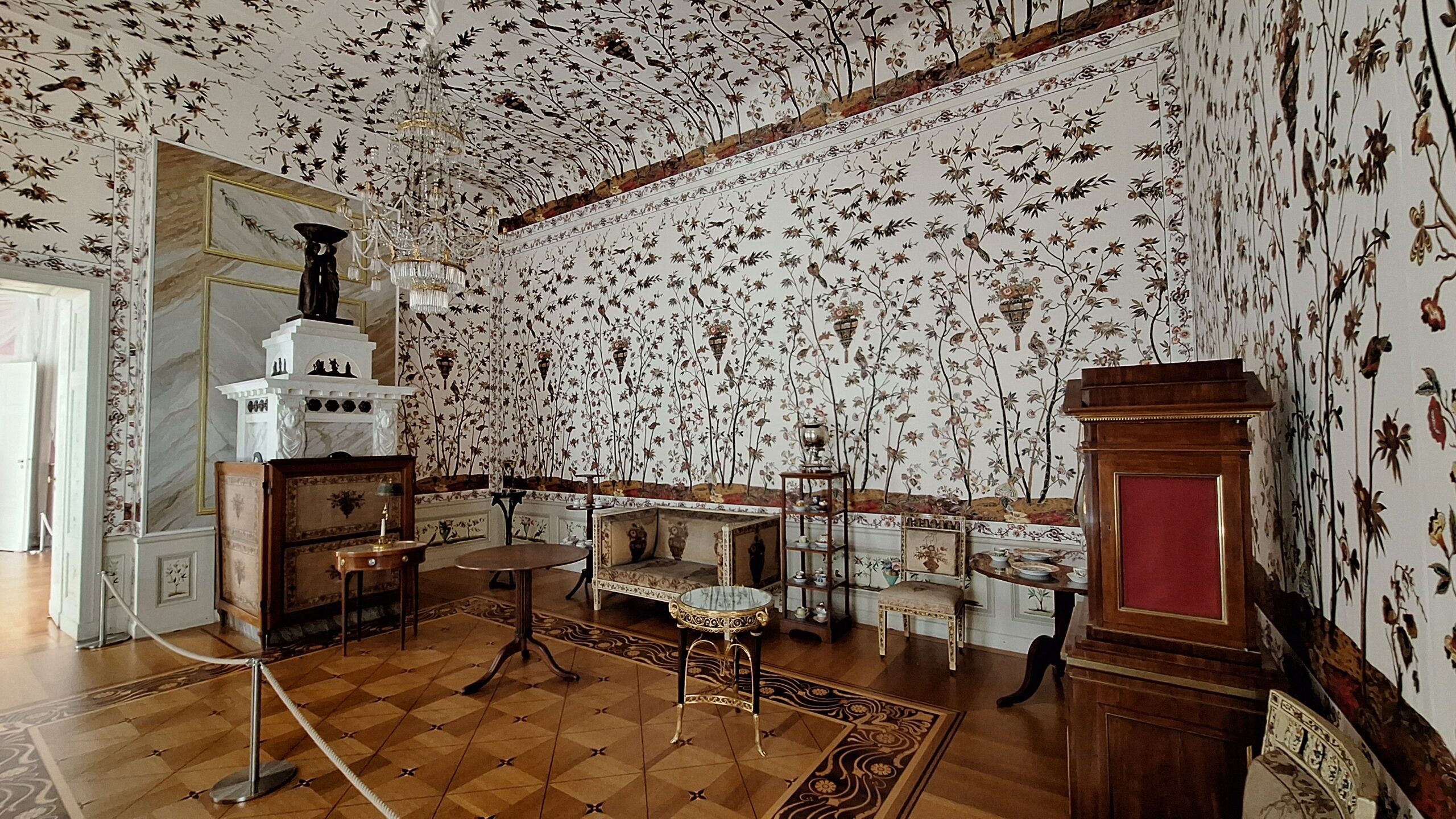
Stepping inside the Neuer Flügel (New Wing), I was truly awestruck. The interiors are a testament to royal opulence, featuring stunning salons that once hosted grand, glittering balls. Imagining the history that unfolded within these walls was a highlight of my visit so far. The entrance fee was only 12 euros, and the entire experience was seamless—I didn’t have to wait in line at all.

To capture the essence of this visit, I’ve curated a few glimpses into the palace’s quiet beauty and timeless charm.

This was a truly memorable stop on my Berlin itinerary, but my exploration of the city’s treasures has only just begun. Stay tuned, as there is much more to come from my time in this vibrant capital!

💡Traveler’s Quick Notes

  • Neue Nationalgalerie: Highly recommend booking in advance or using the Art4All program. Keep an eye on special temporary exhibitions (like the Brâncuși exhibition running through August 9, 2026).

  • Alte Nationalgalerie: Located on Museum Island (Museumsinsel). Don’t miss the Cassirer Collection on the first floor and the German Romanticism masterpieces on the second.

  • Charlottenburg Palace: The entry fee for the New Wing (Neuer Flügel) is around 12 euros. Allow at least 2–3 hours to explore both the royal salons and the expansive palace gardens.